01

Welcome

Welcome to The Bike&Car Hobbyist. This site is an archive of the builds, experiments, and custom projects I worked on over the years in my garage — motorbikes, hot rods, and everything in between.

What this site is about

Each tab in the navigation represents one of my past custom builds. From motorbikes to hot rods to a go-cart, each one has its own story, its own set of challenges, and its own personality. I've named them all — it seemed right.

I'm a hobbyist. I don't do this professionally and I don't claim to know everything. I learned as I went, made mistakes, fixed them, and occasionally got things right the first time. This site is a record of that journey.

The projects

These are the five major builds I completed over the years — Burt, blue750, Duckie, the T-Bucket, and the Go-Cart. Each has its own page with details, photos, progress notes, and reflections on what I learned along the way.

Use the navigation above to jump to any of the builds. If you want to get in touch, the Contact tab has my details.

02

Burt

✦ About this build

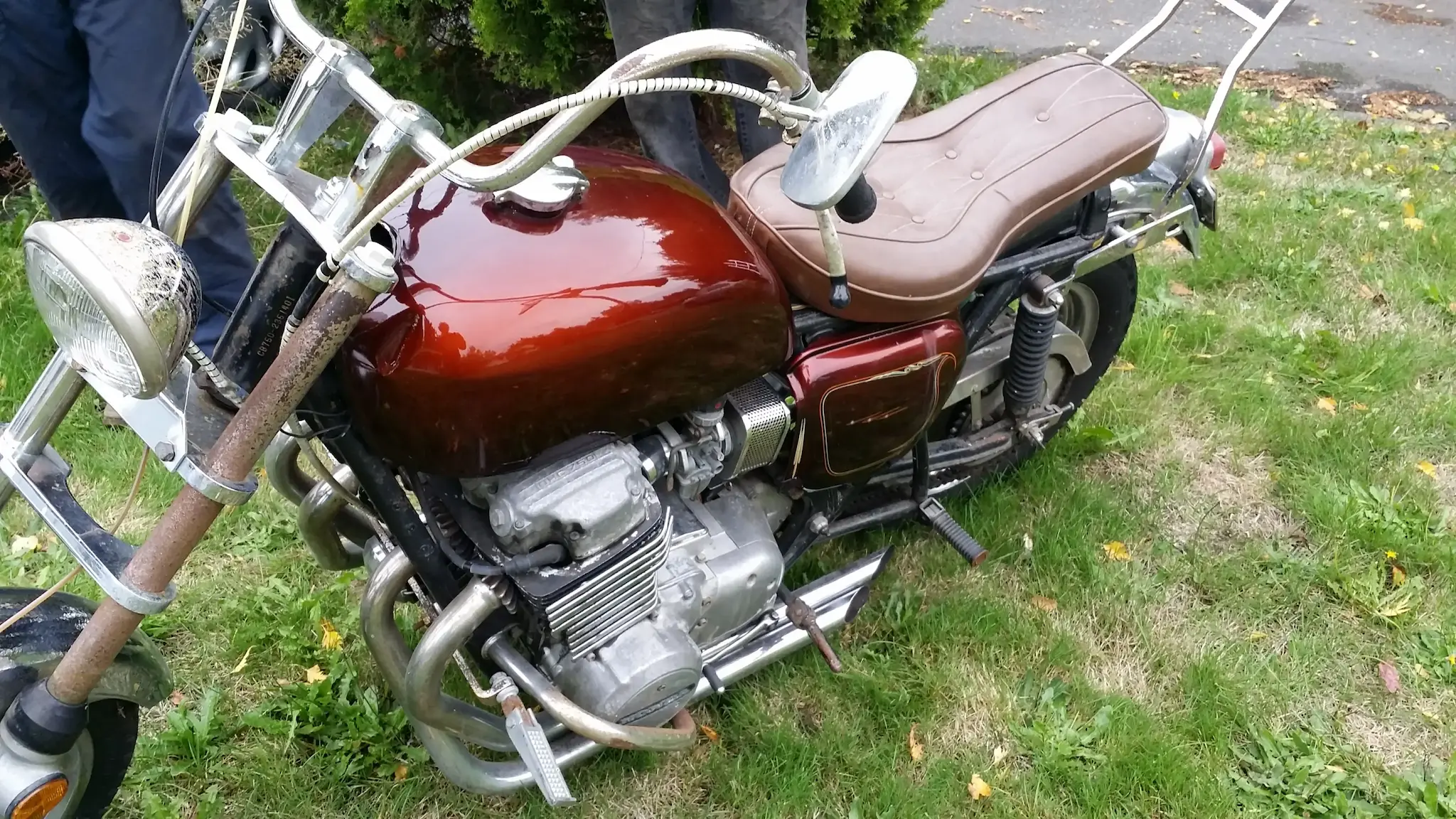
This is my 1974 CB750 chopper, which I named Burt. I bought the bike in the Seattle area after it had been sitting unused for quite some time. Although it looked complete, it needed significant work to bring it back to life. My original vision was to build it as a rat-style chopper — something raw, functional, and honest — while still maintaining clean lines and solid engineering. Burt went on to become not just a project, but my daily rider for several years.

⟡ Original Status

At first glance the bike looked great, with shiny paint and a complete appearance. However, beneath the surface there was considerable rust and wear from years of sitting idle.

  • Complete but long unused
  • Significant surface rust present
  • Structurally sound foundation
  • Good candidate for a full rebuild
Burt original condition

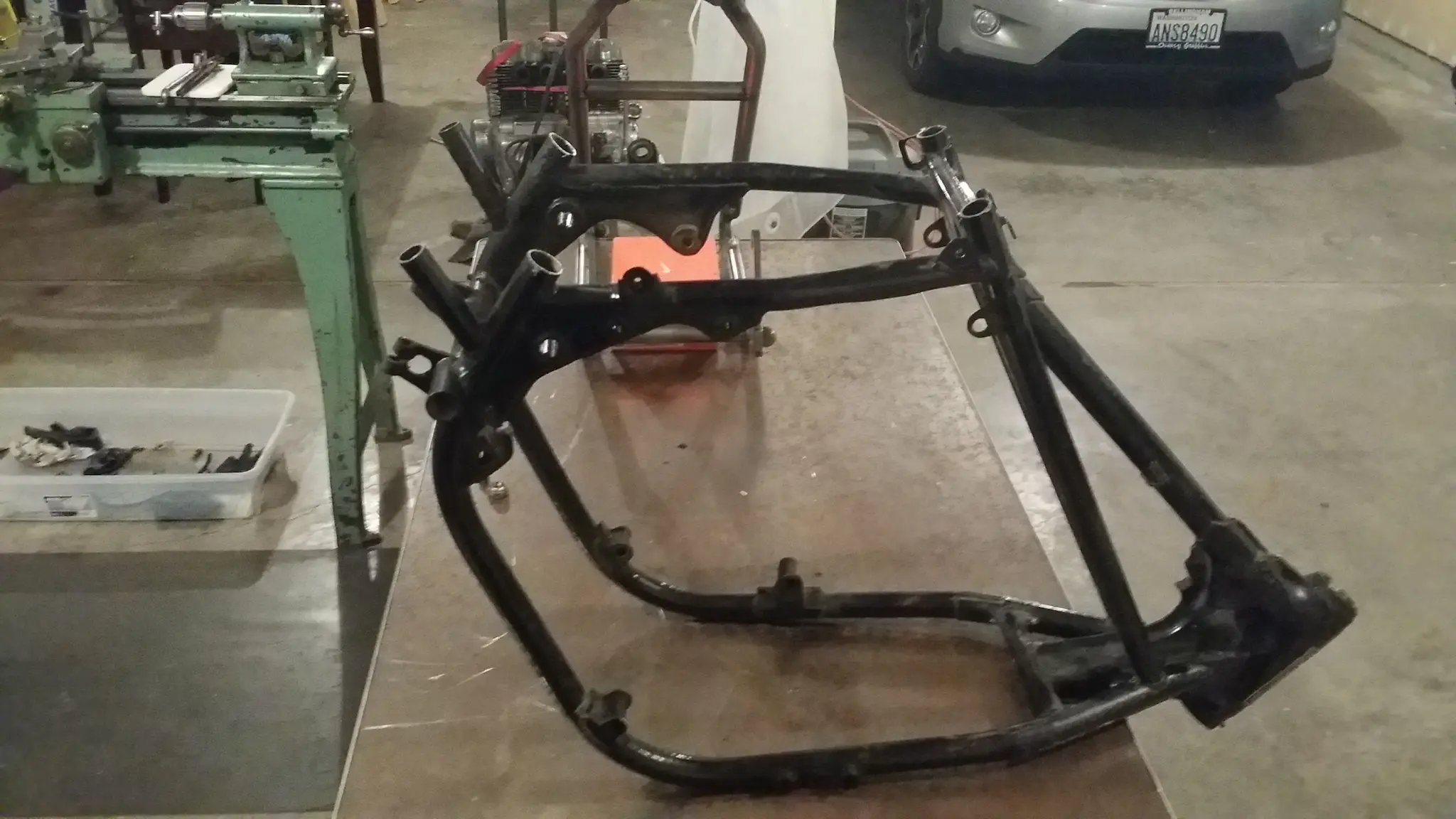
◎ Frame Chop

The first major step was modifying the frame. I cut it just behind the swingarm, keeping the engine mounts and steering head intact to preserve alignment and strength.

  • Frame cut behind swingarm
  • Engine mounts retained
  • Steering head left intact
  • Prepared for hardtail installation
Burt frame chop

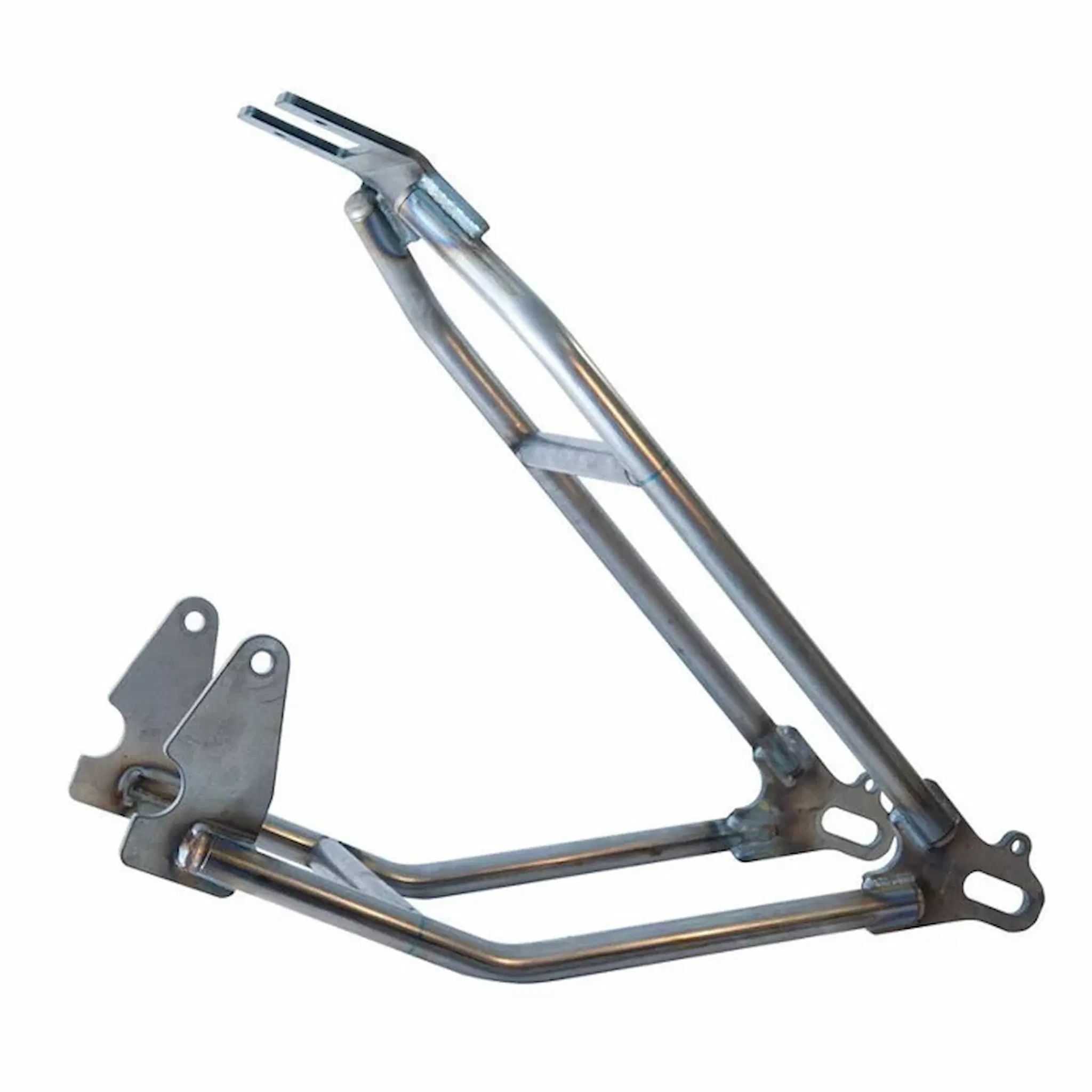
🔧 Hardtail Section

I installed a TC Bros weld-on hardtail section. Looking back, I would have modified the upper mount and increased the steering head angle slightly to better suit extended forks. Every project teaches something new.

  • TC Bros weld-on hardtail installed
  • Frame geometry permanently modified
  • Lessons learned for future builds
Burt hardtail section

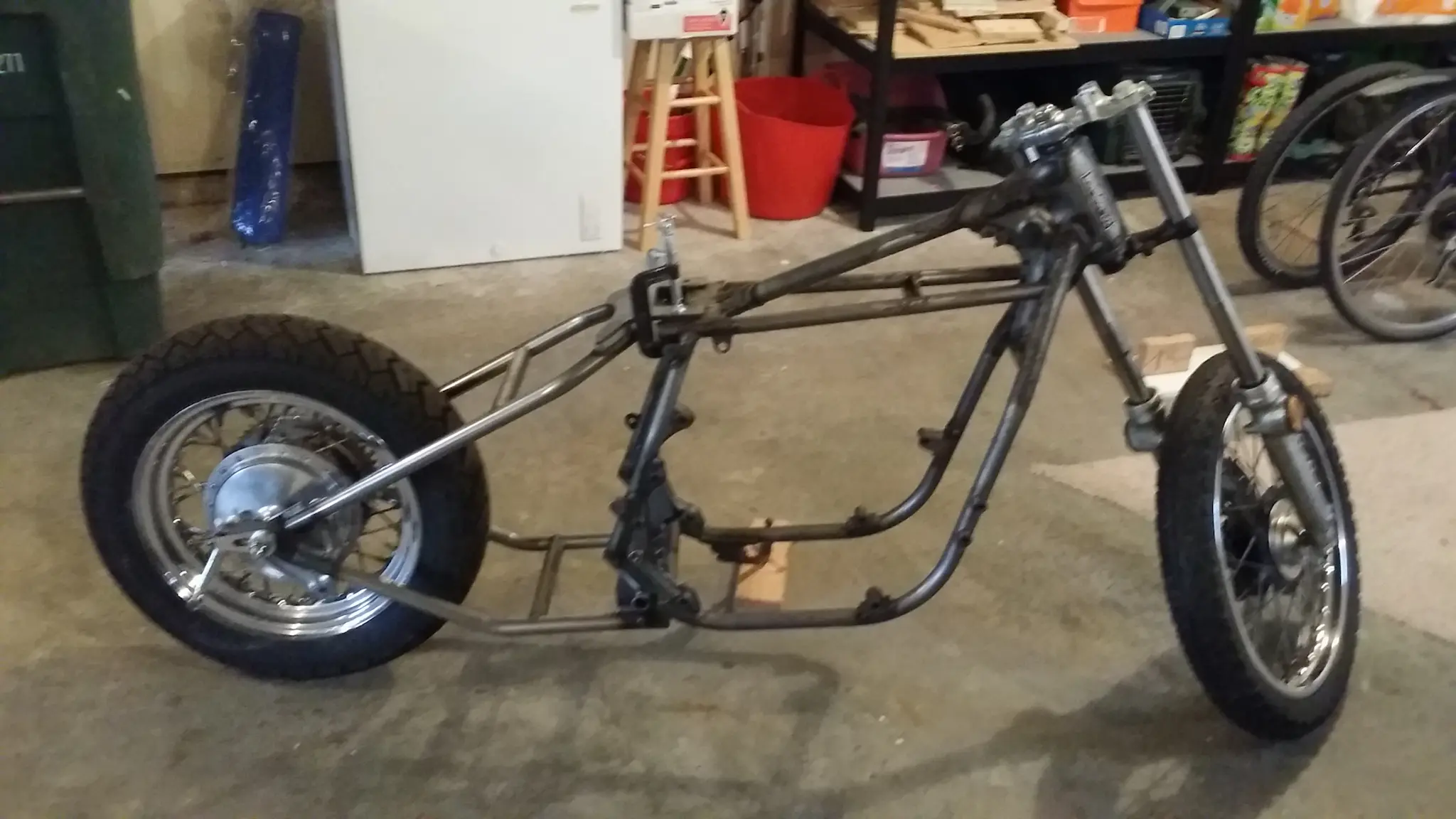
🎨 1st Mockup

This mockup helped visualize the final stance before welding. In hindsight, aligning the hardtail more closely with the backbone would have improved the look when using extended forks.

  • Full frame mockup completed
  • Hardtail alignment evaluated
  • Final stance reviewed
  • Prepared for final welding
Burt mockup

⚡ Starting to Take Shape

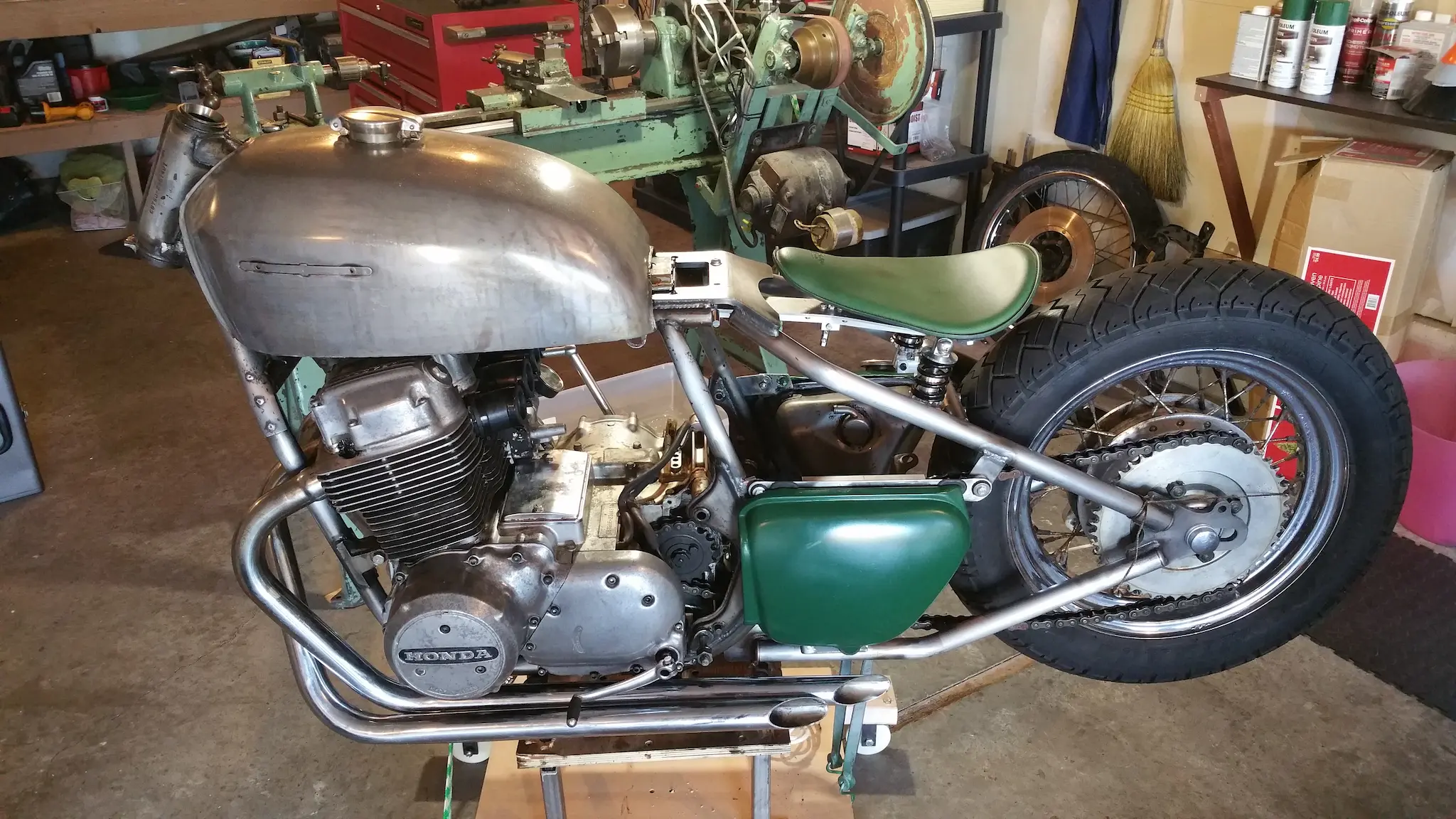
With the hardtail welded in place, the major components were installed and the bike began to look complete again.

  • Frame fully welded
  • Engine installed
  • Oil tank mounted
  • Seat positioned
Burt taking shape

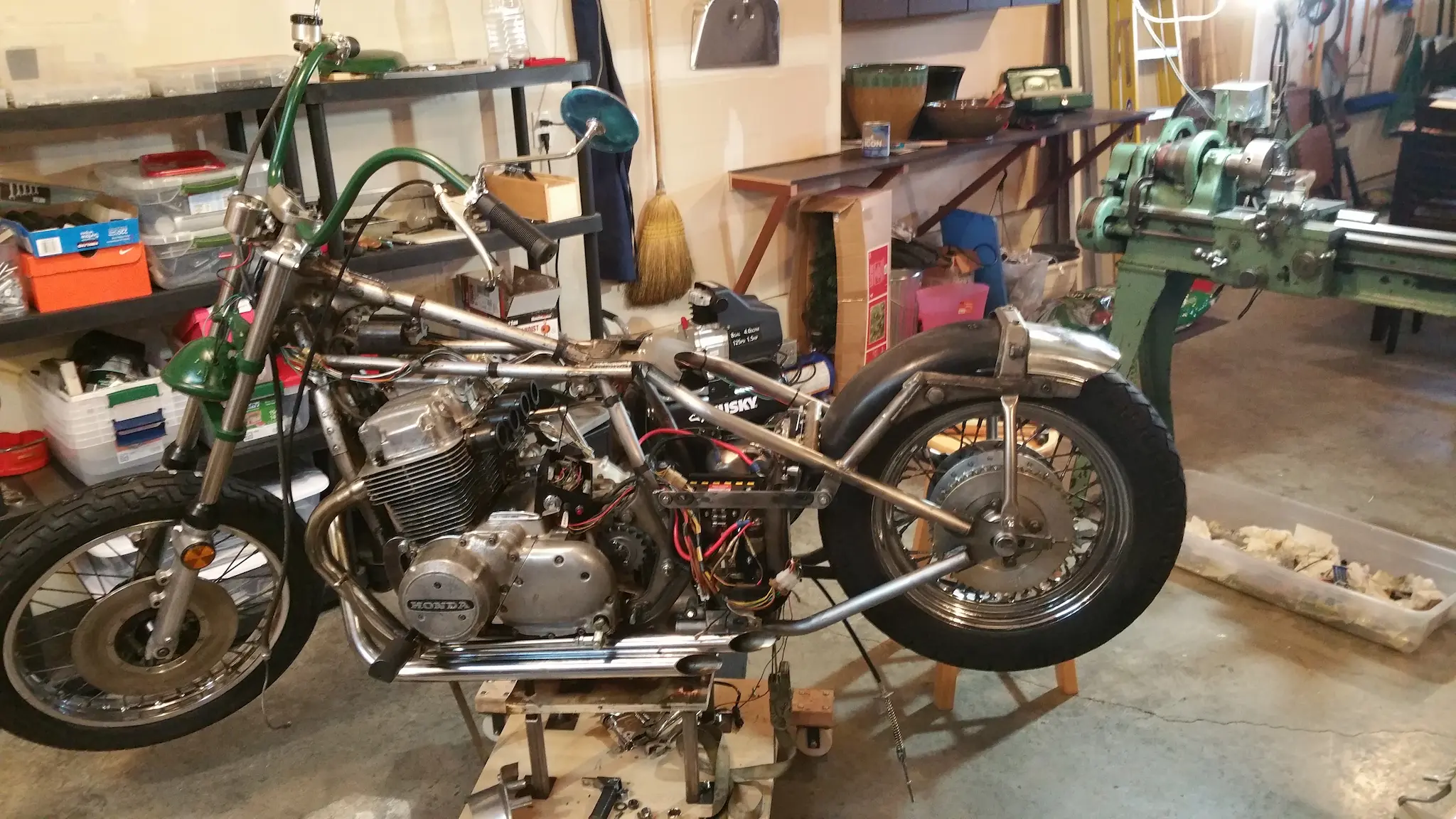
🔌 Electrics & Wiring

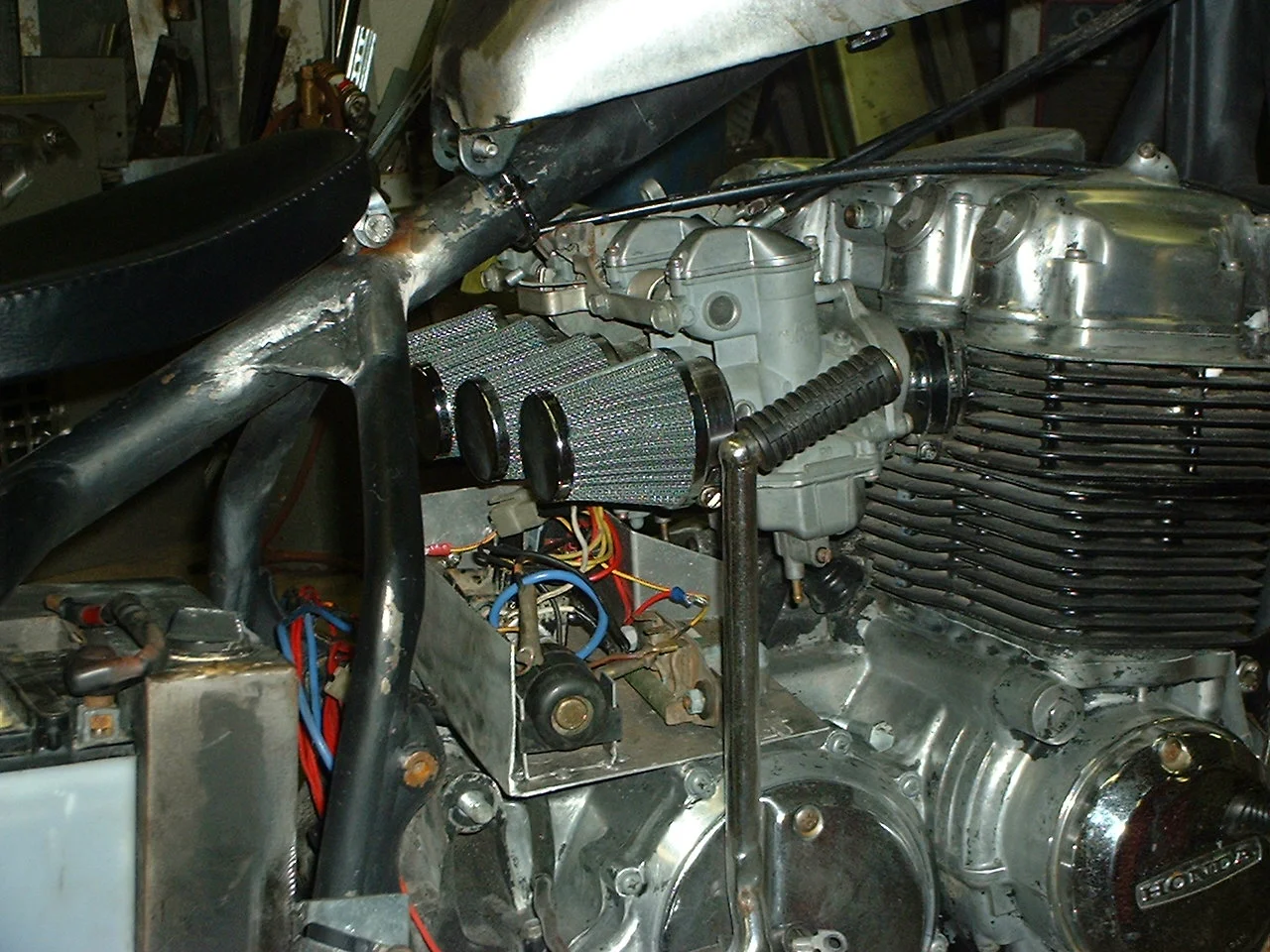
The wiring was installed, and part of the original rear frame was reused to mount the rear guard and tail light, blending original and custom elements.

  • Custom wiring installed
  • Battery and electrical components mounted
  • Original frame section reused
  • Tail light and guard installed
Burt wiring

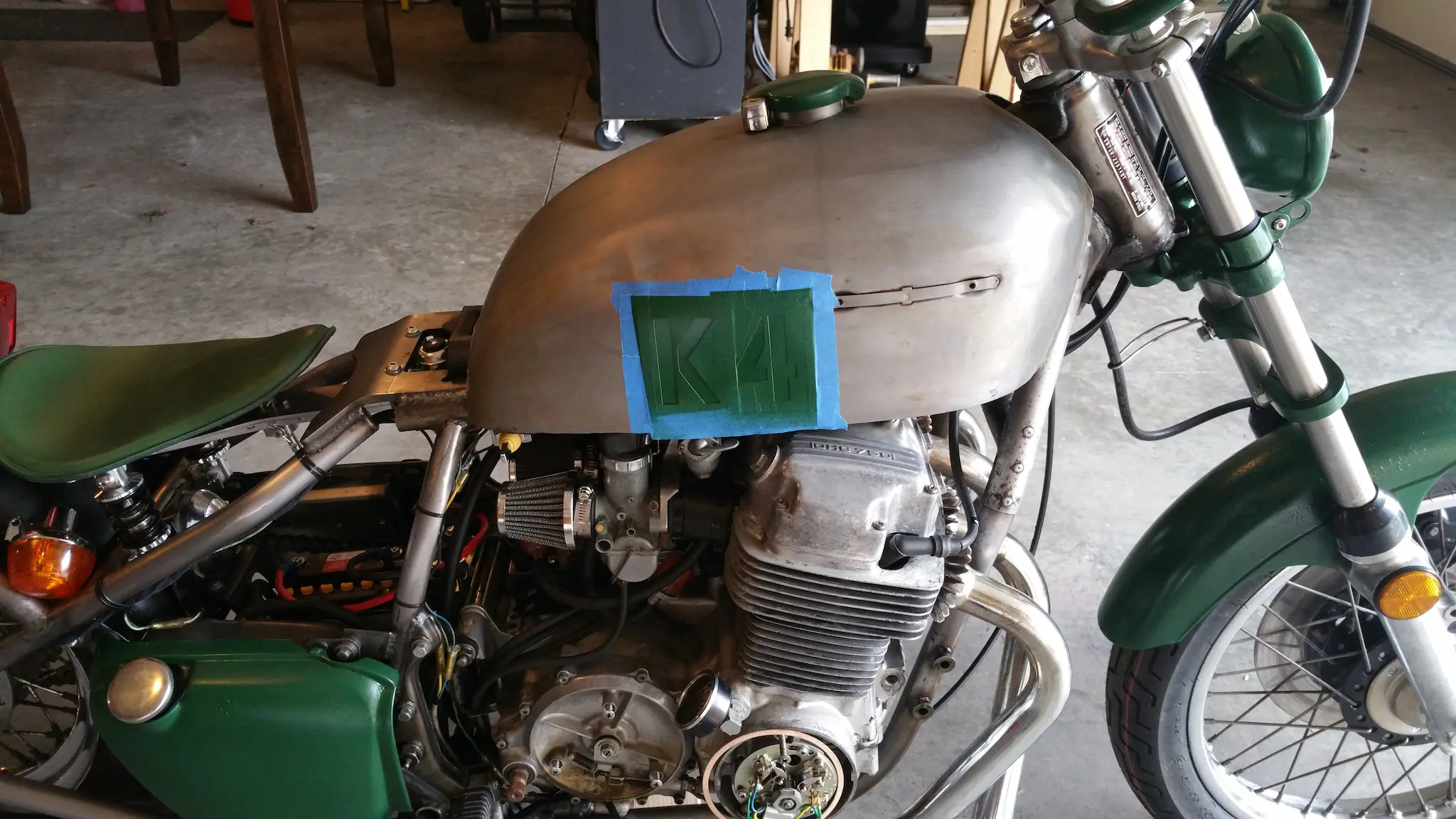
🪛 Paint

The paint was kept intentionally simple to preserve the rat bike aesthetic. Much of the bike was finished in clear lacquer, with select parts painted for contrast.

  • Clear lacquer finish applied
  • Selective painted accents
  • Rat bike inspired finish
  • Raw metal character preserved
Burt paint

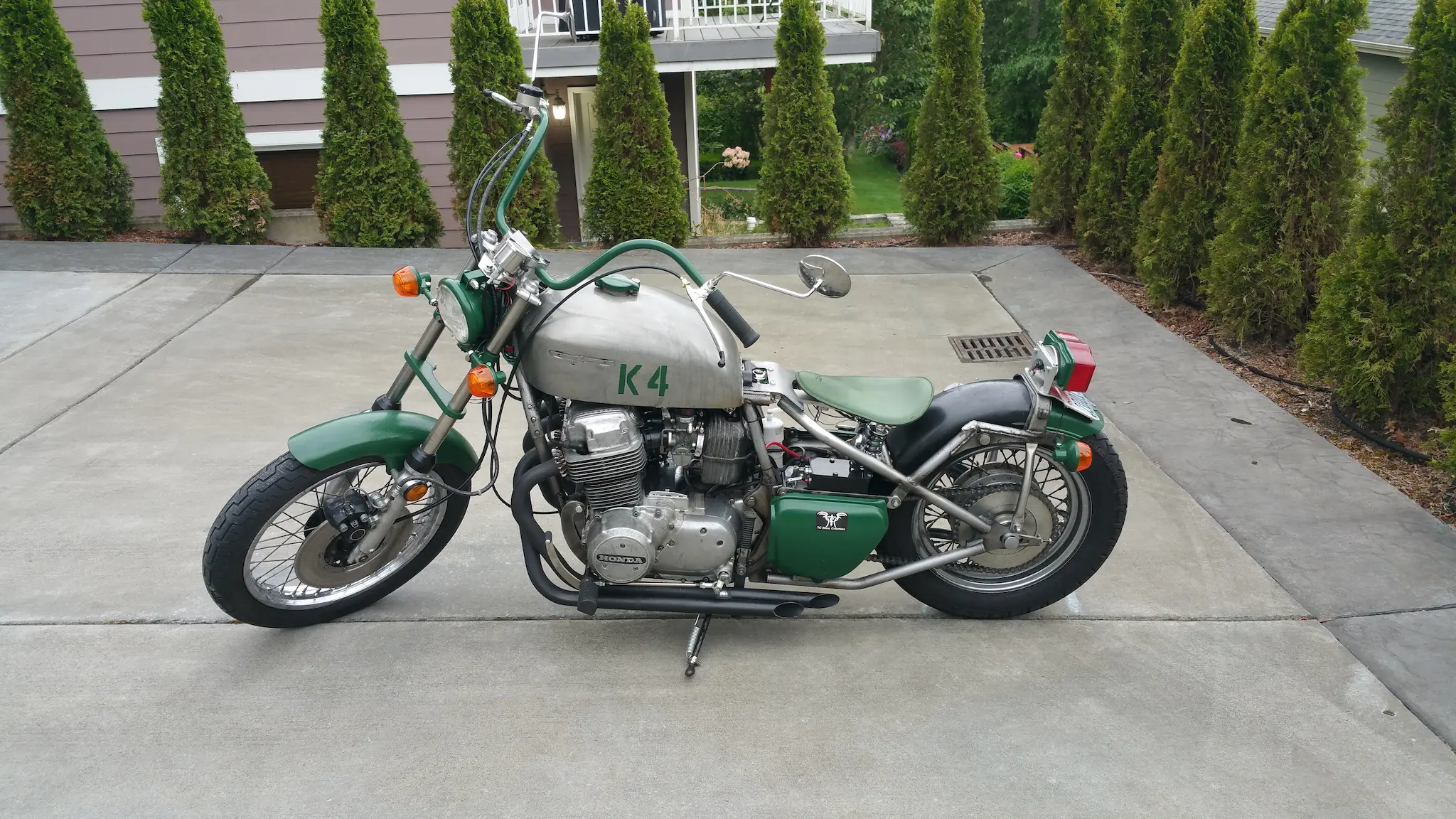
🏁 The Finished Bike

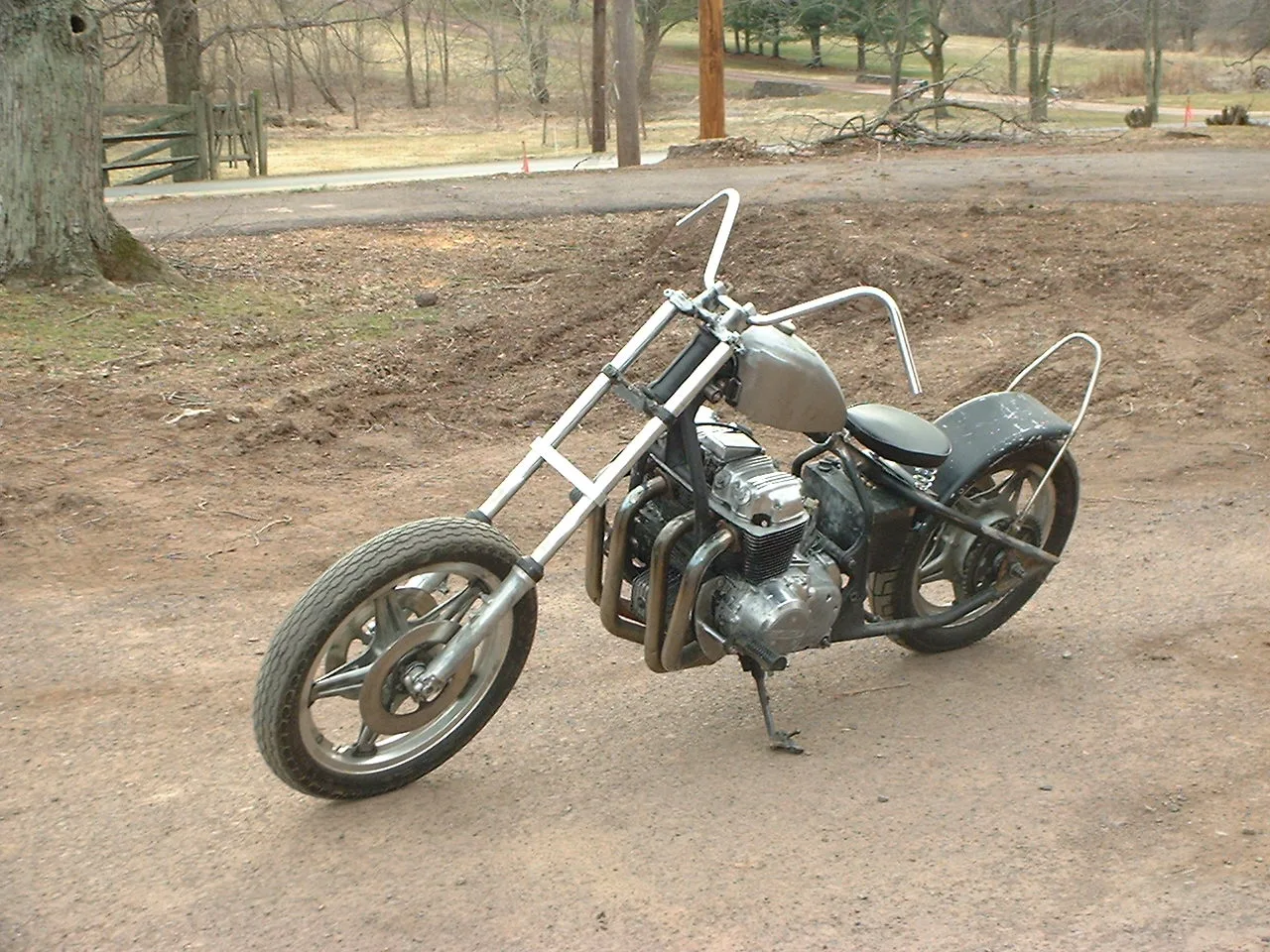
Here is Burt completed and on the road. The headers were painted black to reduce shine and match the overall look. This bike became my daily transportation for several years.

  • Final assembly completed
  • Headers painted for visual balance
  • Fully roadworthy
  • Daily rider for several years
Burt completed bike

Burt was my second chopper build and an important step forward in my fabrication skills. It turned out to be a reliable, enjoyable machine and a bike I was proud to ride every day. Looking back, it's one of the projects I'm most fond of from those garage years.

03

blue750

✦ About this build

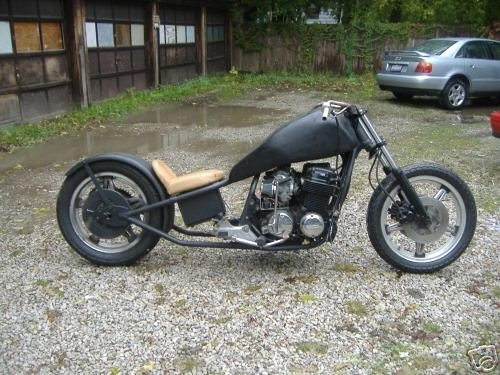
I bought this bike from a builder in Ohio. It was a bit of a beast when I first saw it — oversized tank, extended rear, and clearly built with attitude — but I could see the potential in it. I brought it home and began the process of stripping it down and rebuilding it into something cleaner, stronger, and truly my own. This project became my first full chopper build and a hands-on learning experience from frame modification to final paint.

⟡ Original Status

The bike as purchased — bold, heavy, and full of character, but ready for transformation.

  • Huge oversized gas tank
  • Unique custom seat
  • Extended rear frame section
  • Solid foundation to rebuild from
blue750 original bike

◎ Frame Modification

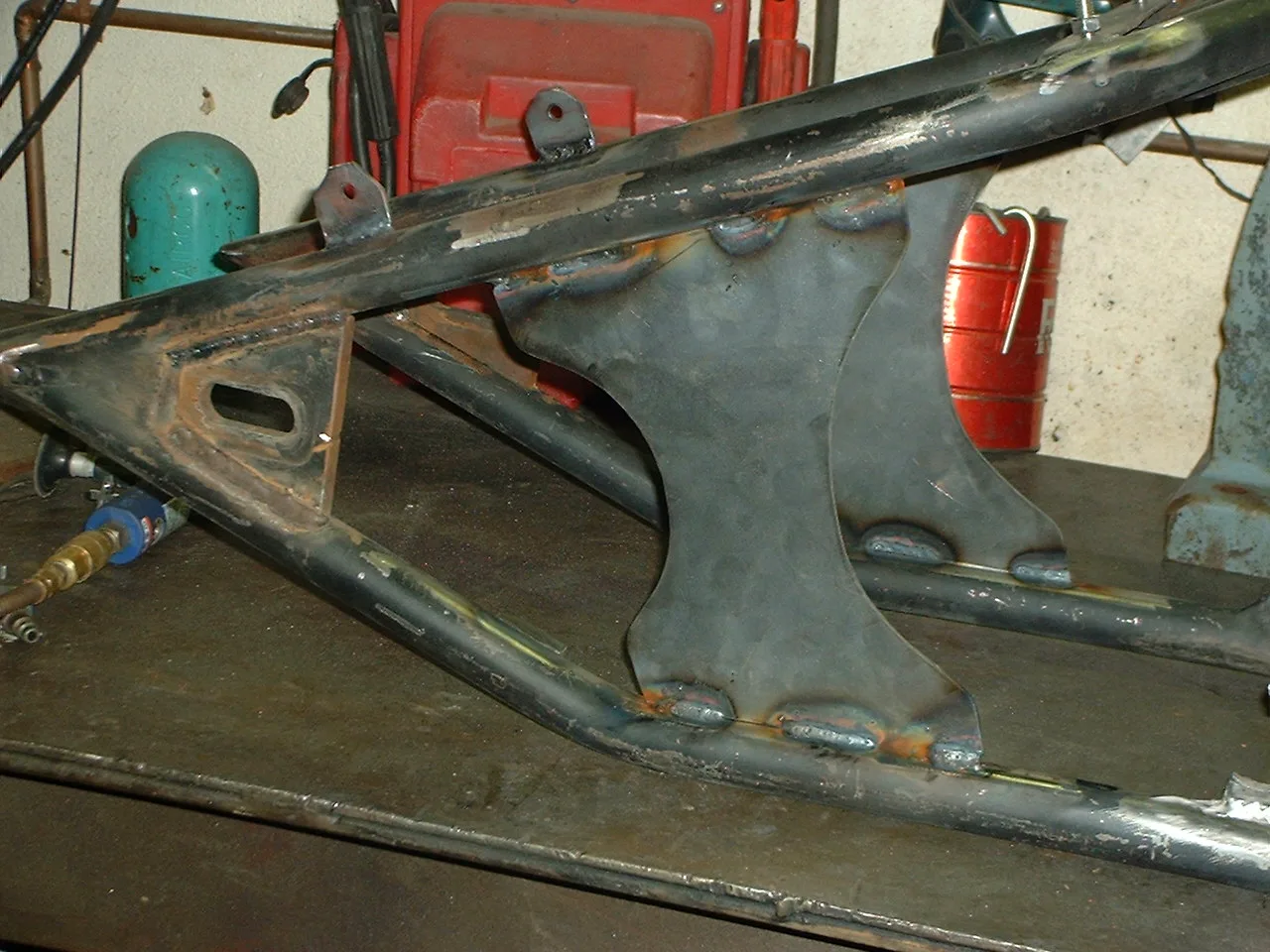
Stripped down to the bare essentials, this is where the real transformation began. The rear axle was brought back inside the frame, eliminating the extended section. Gussets were welded in to improve structural strength and ensure long-term durability.

  • Frame stripped completely
  • Rear axle repositioned
  • Extended section removed
  • Structural gussets added
blue750 frame modification

🔧 1st Mockup

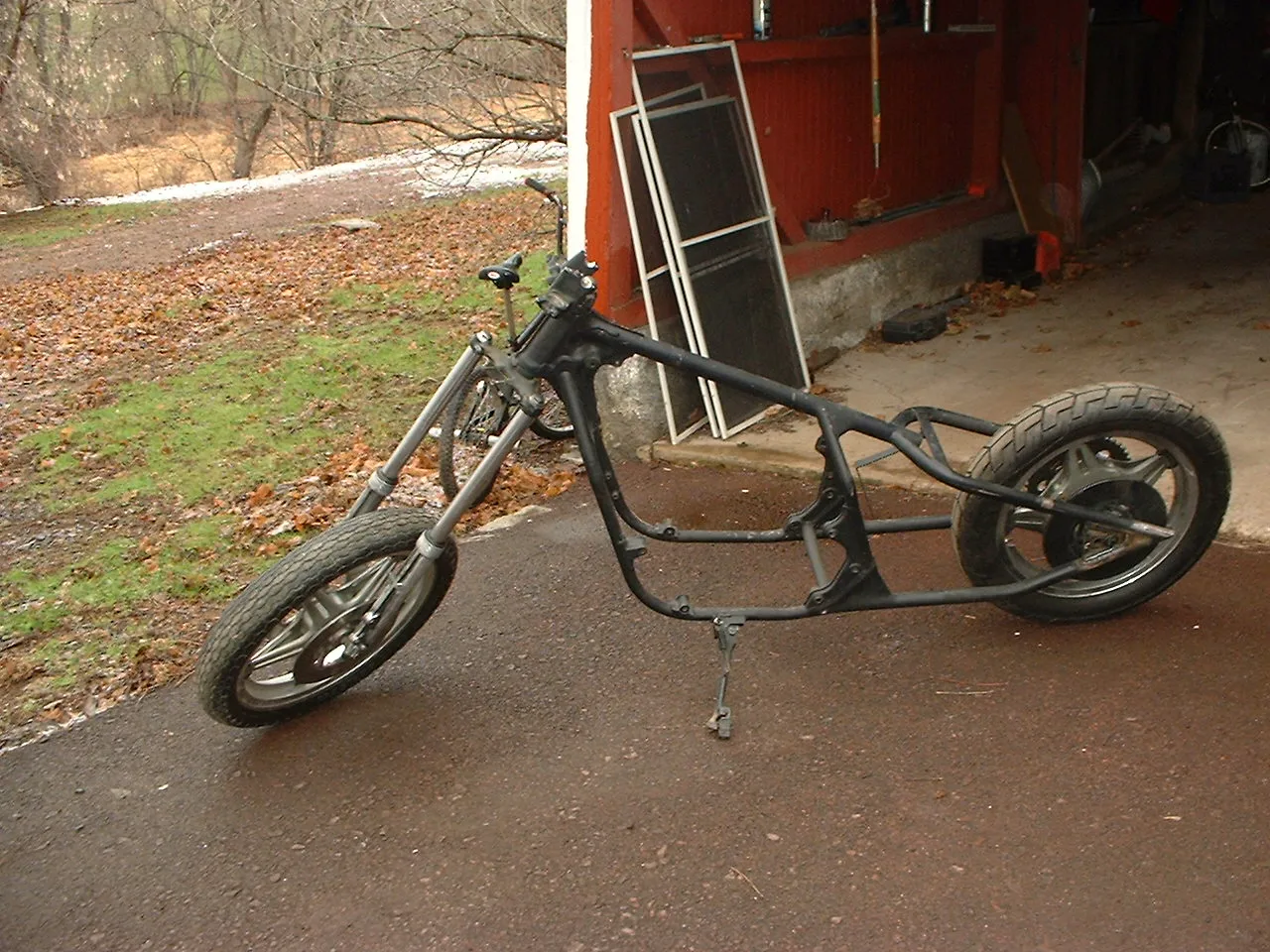
Initial mockup with wheels installed. This stage helped determine the correct fork extension needed to achieve the proper stance and proportions for the final build.

  • Wheels installed for alignment
  • Fork length measured and planned
  • Frame geometry evaluated
blue750 mockup

🎨 Starting to Take Shape

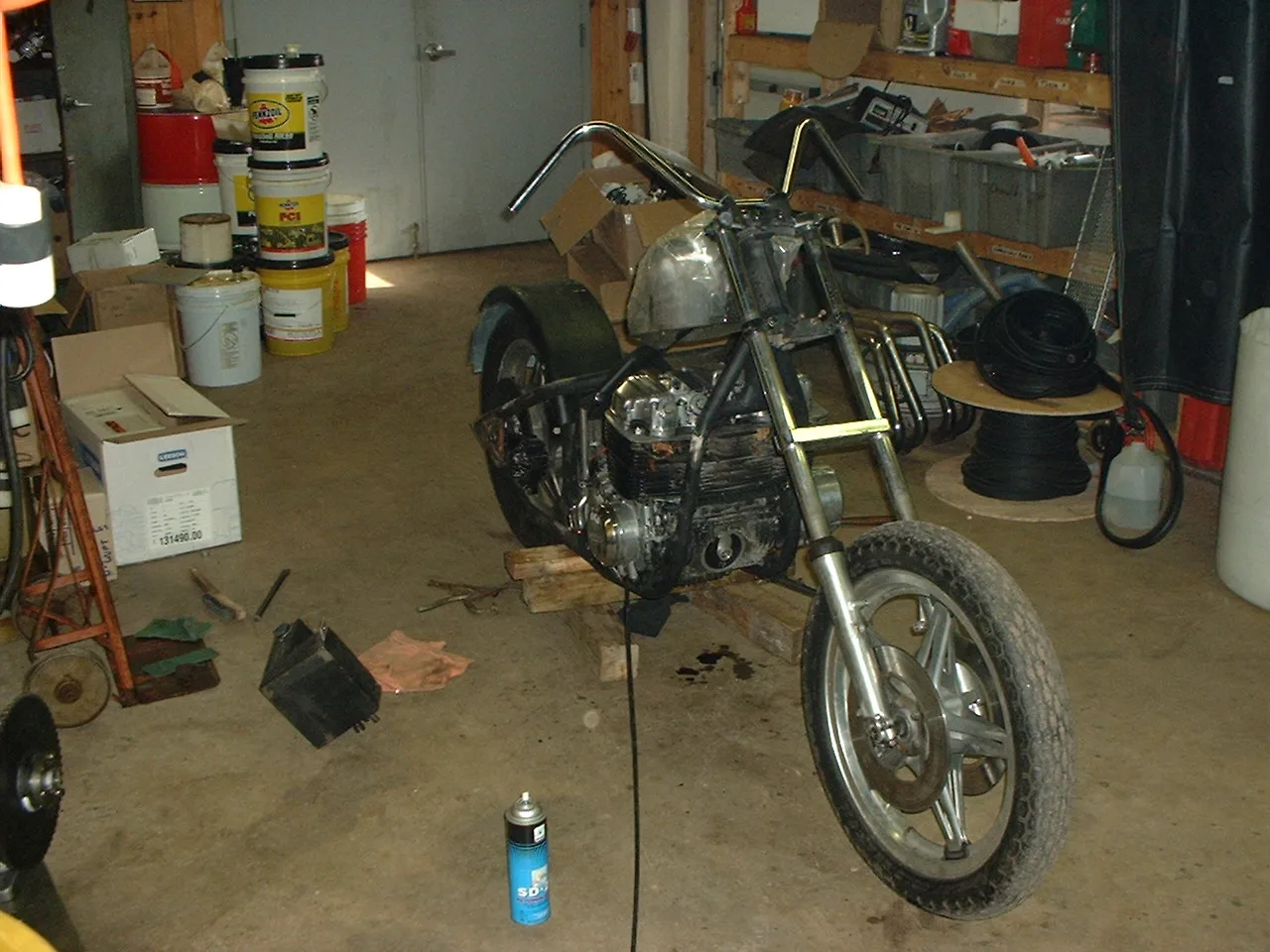
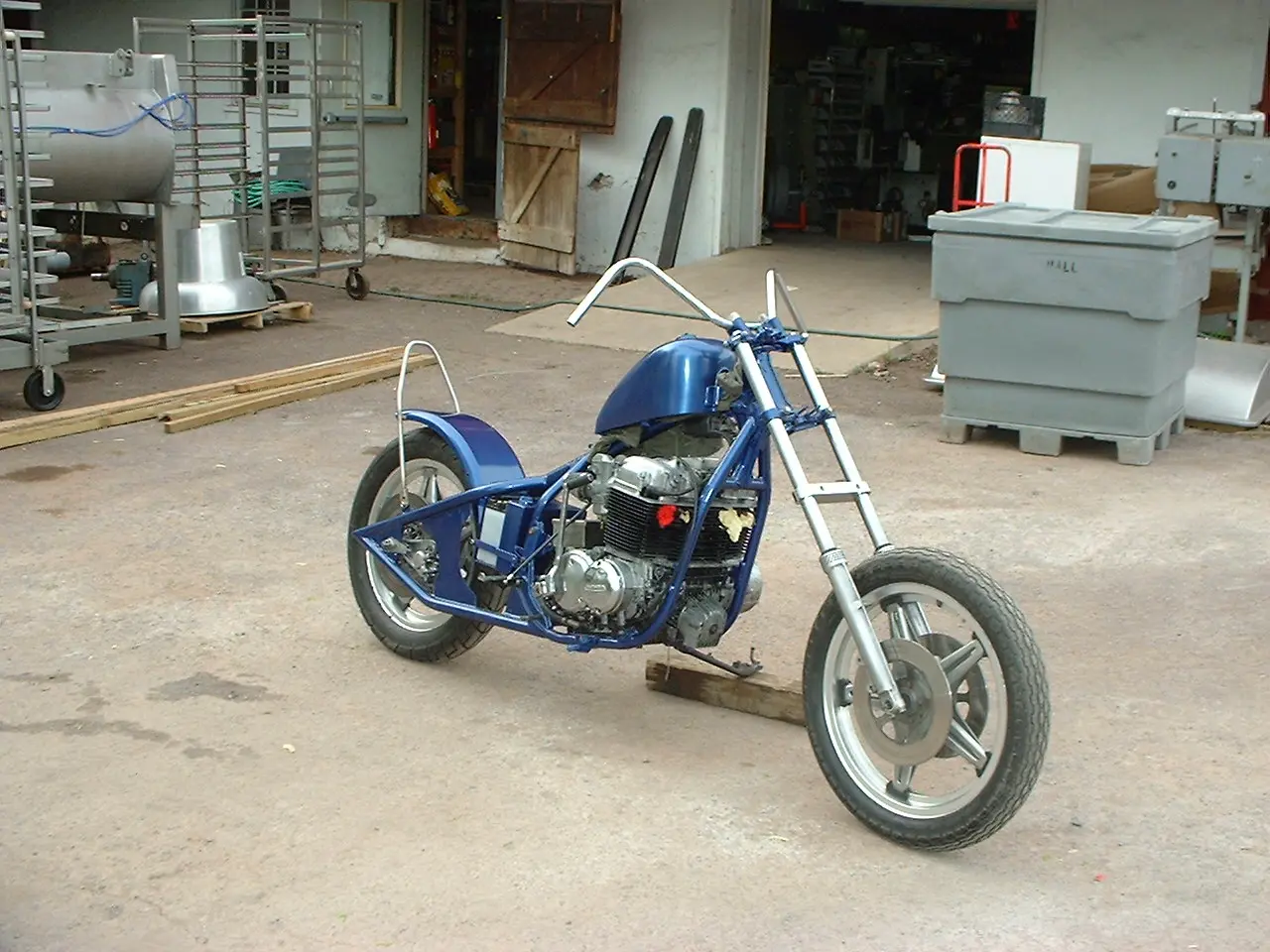
At this point the bike was really beginning to come together. The new tank, extended forks, and reinstalled engine gave a clear picture of the final form.

  • New gas tank installed
  • Extended forks fitted
  • Engine mounted back into frame
  • Rear guard and handlebars installed
blue750 taking shape

⚡ Further Progress

Major structural and functional components were added, bringing the build closer to a complete rolling machine.

  • Rear sissy bar installed
  • New seat mounted
  • Exhaust and oil tank fitted
  • Foot pegs installed
blue750 further progress

🔌 Electrical

The electrical system was installed, bringing the bike closer to operational condition.

  • Wiring harness installed
  • Battery mounted
  • Carburetors installed
  • Systems prepared for operation
blue750 electrical

🪛 Paint Preparation

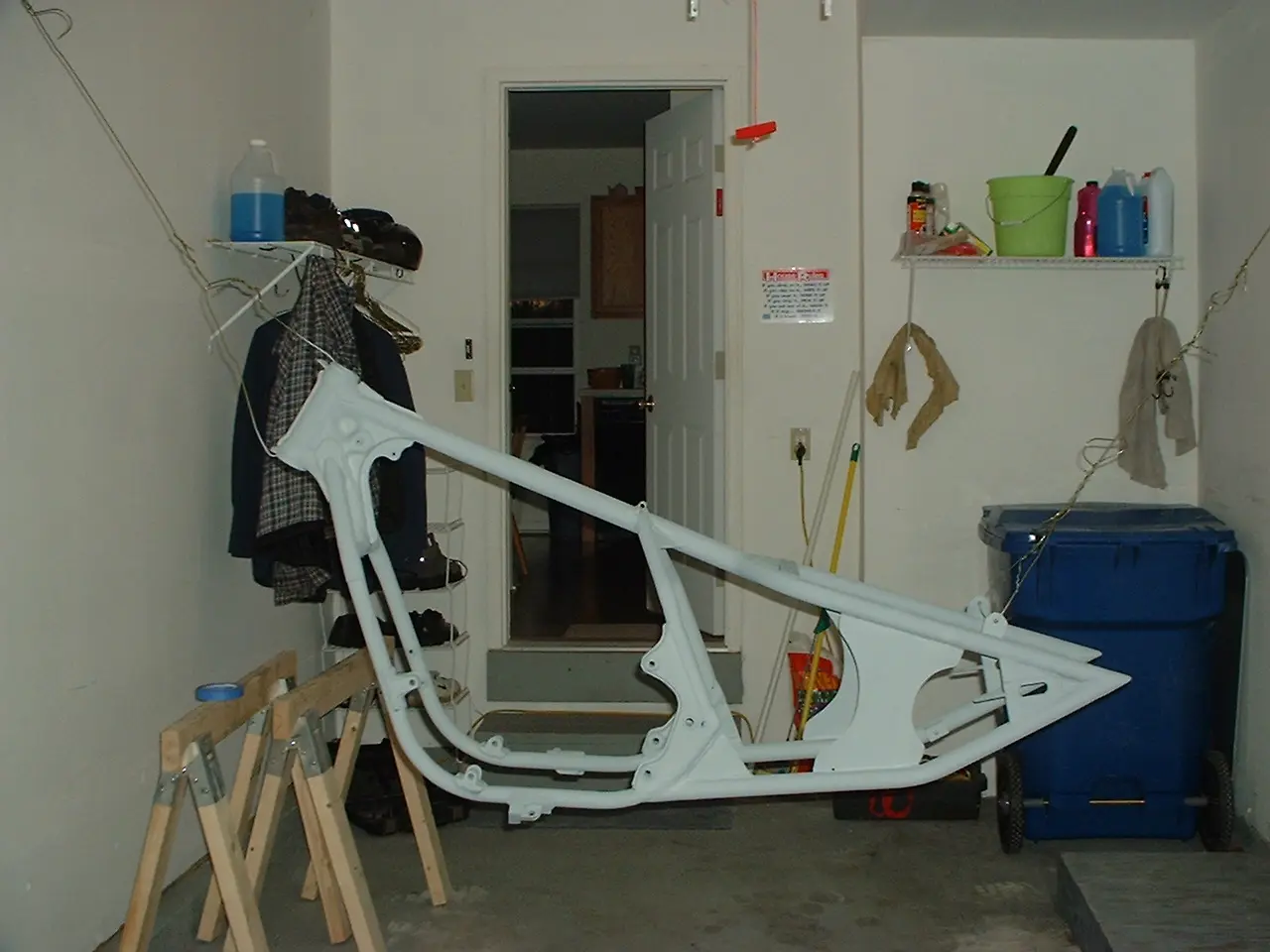
The frame was carefully prepared for paint to ensure a clean and durable finish.

  • Old paint fully stripped
  • Frame sanded smooth
  • Body filler applied where needed
  • Primer applied and prepared for color
blue750 paint prep

📋 Painting

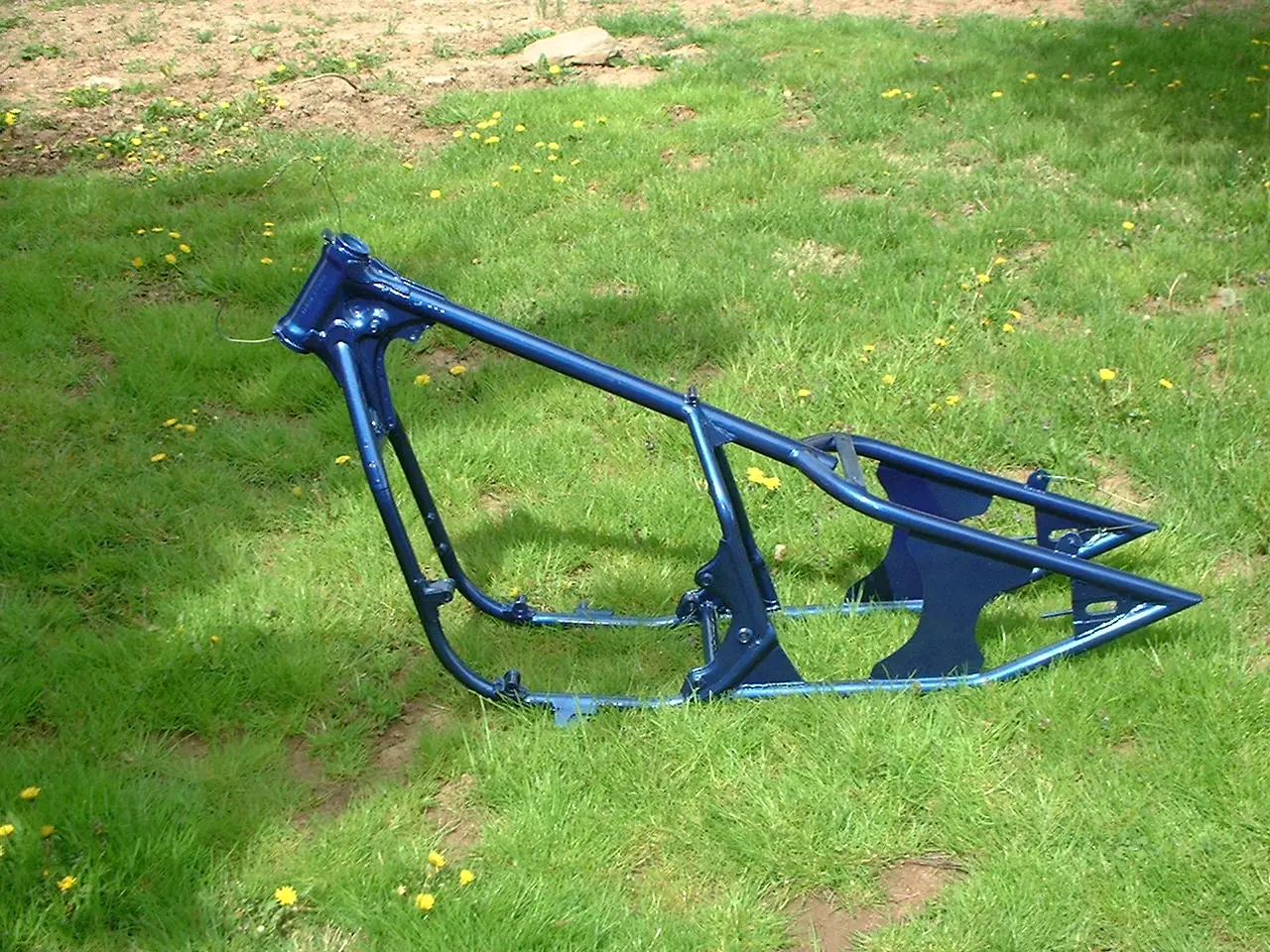
The bike received a fresh iridescent blue paint finish, giving it its signature look and bringing the vision to life.

  • Iridescent blue paint applied
  • Frame fully refinished
  • Final finish completed
blue750 painting

🛞 Almost Completed

The bike was reassembled for the final time following paint. The last mechanical and finishing components were installed.

  • Final assembly in progress
  • Exhaust system installation
  • Brakes installed
  • Lights and controls fitted
blue750 almost done

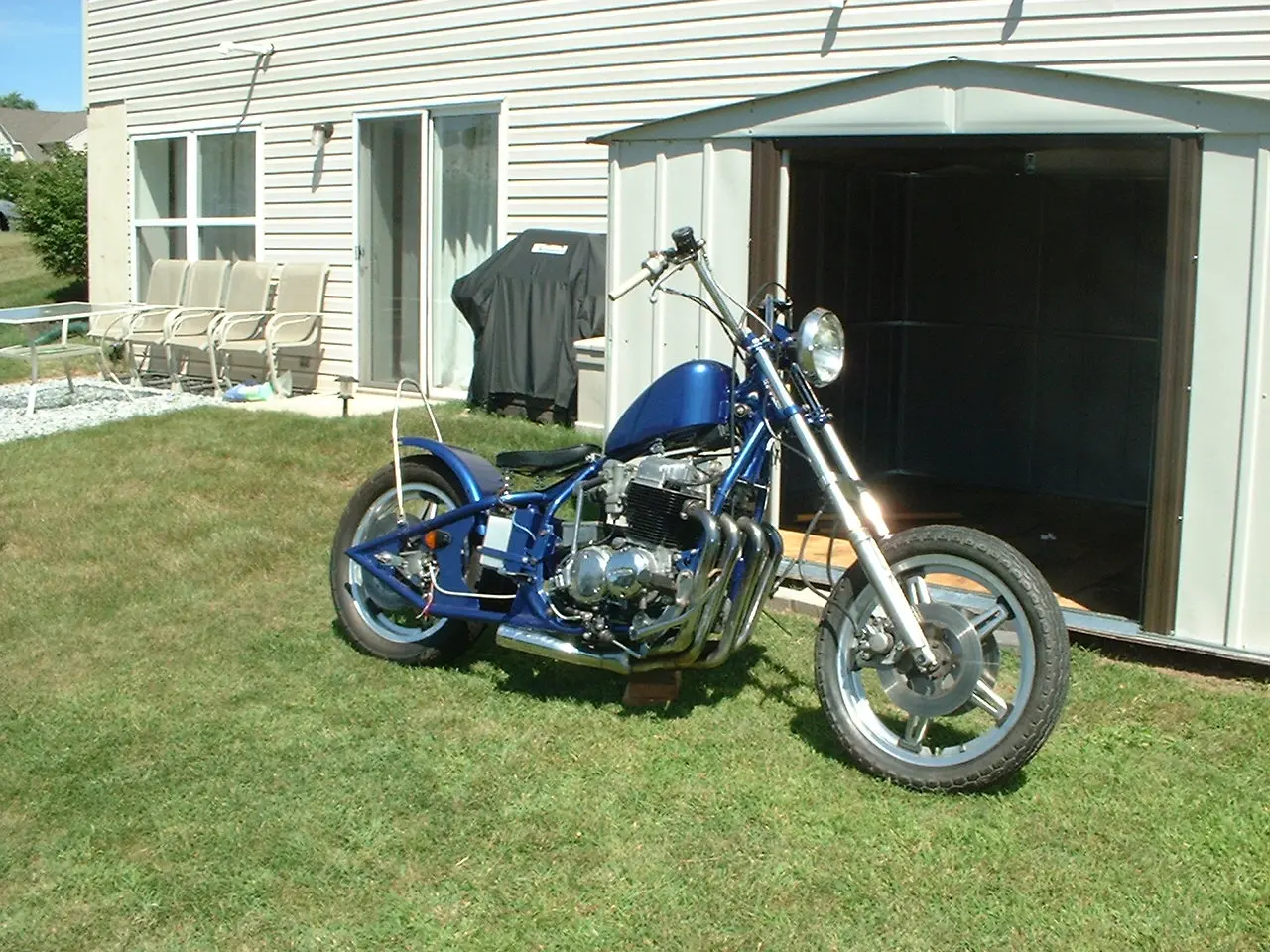
🏁 Completed Bike

The finished bike in its final form — fully rebuilt, painted, and shining in the sun. A complete transformation from its original state.

  • Full custom rebuild completed
  • Final paint and assembly finished
  • Fully functional and road ready
blue750 completed bike

This was my first full chopper build and one of the most rewarding projects I’ve taken on. It was a hands-on learning experience from start to finish, and seeing the completed bike made every step of the process worth it.

04

Duckie

✦ About this build

The idea behind Duckie was to build a long-fork custom chopper using a 1974 Honda CB750 as the foundation. I modified the original frame to change the steering angle and fabricated nearly every other component to suit the design. This project gave me the opportunity to experiment with frame geometry, suspension concepts, and fully custom fabrication. Although I could have extended the forks even further, the final result captured the long, low stance and custom character I originally envisioned.

⟡ Duckie Logo

This was the logo created for the Duckie Chop project when I was documenting the build on YouTube. The artwork was designed by my wife’s cousin.

  • Original Duckie project logo
  • Created by family artist
  • Used for build documentation
  • Part of the project identity
Duckie logo

◎ The Idea

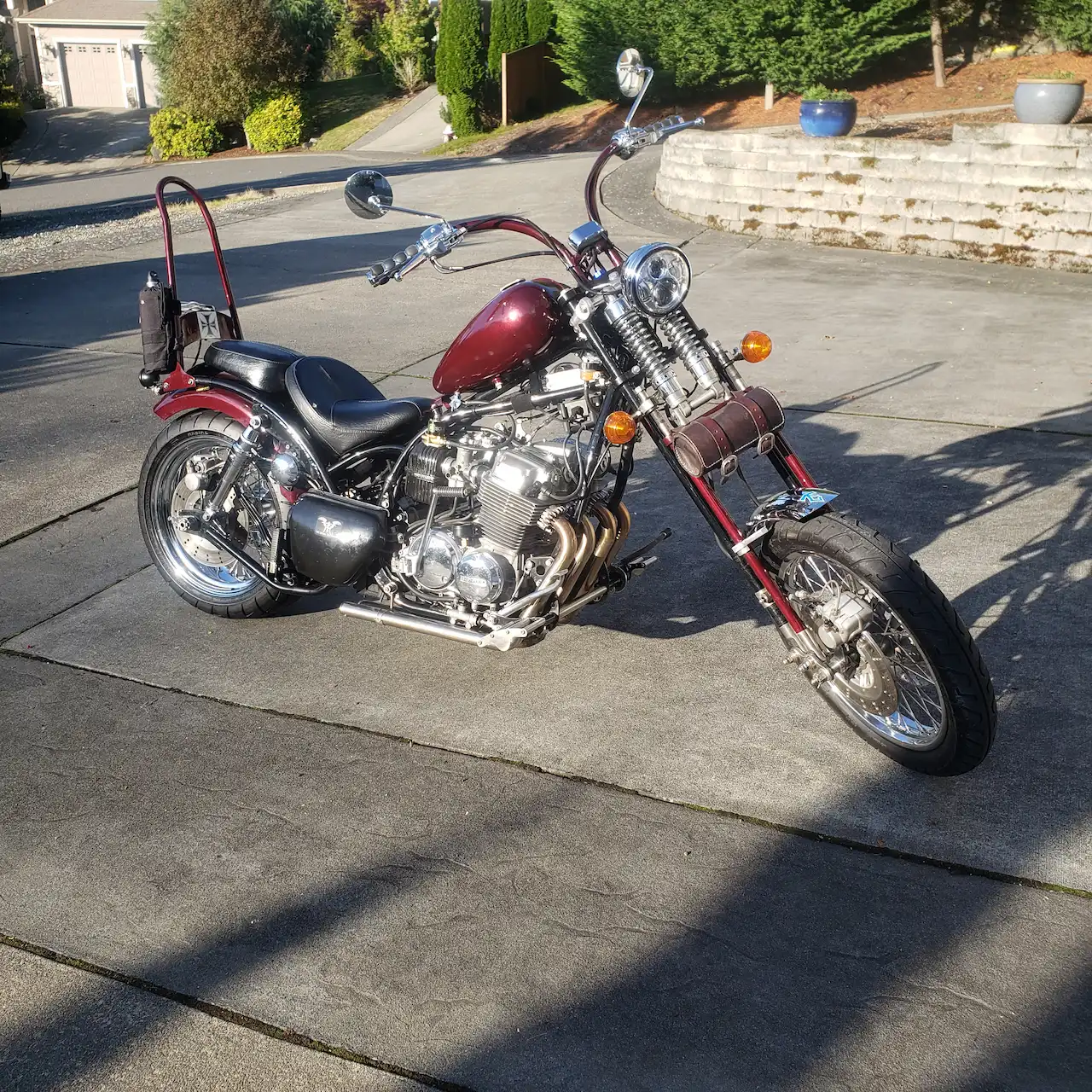
A look at the completed bike. Starting with the end in mind helped guide the design and fabrication decisions throughout the build.

  • Final design reference
  • Long fork chopper concept
  • Custom geometry and stance
  • Vision for the full build
Duckie concept

🔧 Frame Mods

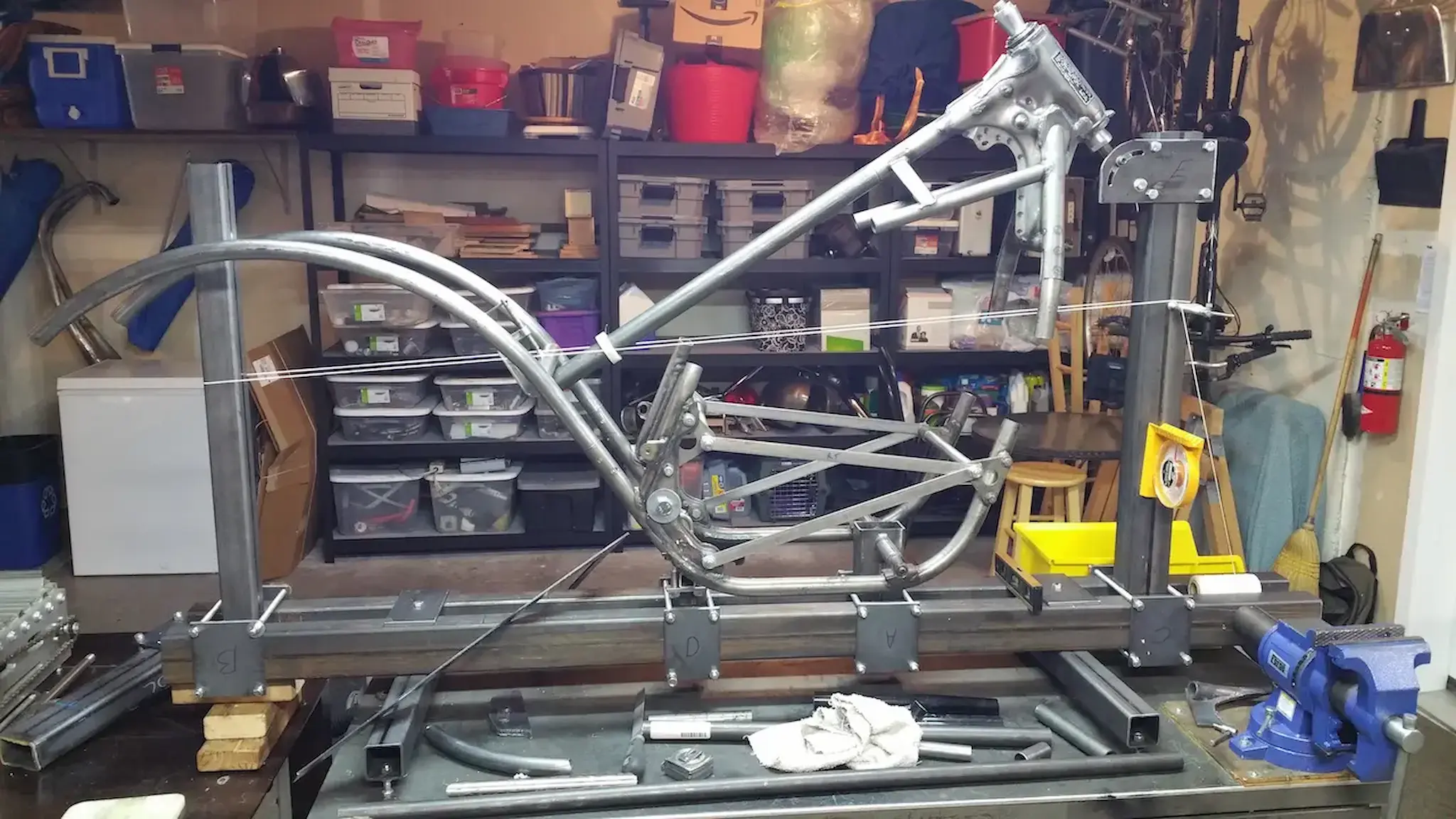
The frame was heavily modified by extending the engine mounting section approximately 8 inches. This allowed the steering head to tilt back and properly accommodate the longer forks. Custom curved sections were fabricated to connect the frame components.

  • Frame extended approximately 8 inches
  • Steering angle increased
  • Custom curved frame sections fabricated
  • Geometry designed for extended forks
Duckie frame mods

🎨 Swing Arm

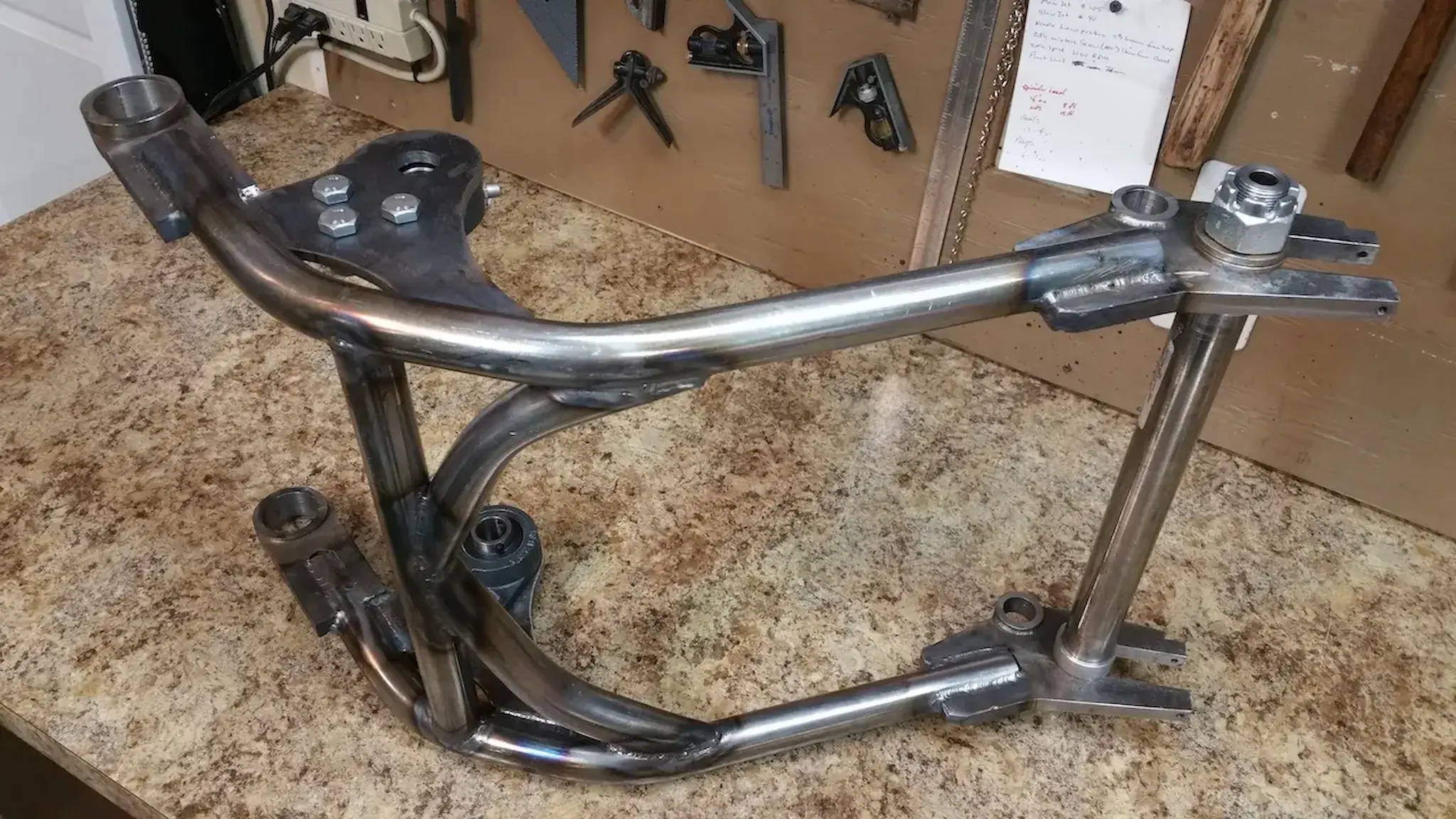
A custom swing arm was fabricated, including bearing mounts and a jackshaft system. This allowed the drive line to be offset to accommodate a wider rear tire.

  • Custom swing arm fabricated
  • Bearing mounts welded in place
  • Jackshaft drive system installed
  • Designed for wider rear tire
Duckie swing arm

⚡ Frame Fabrication

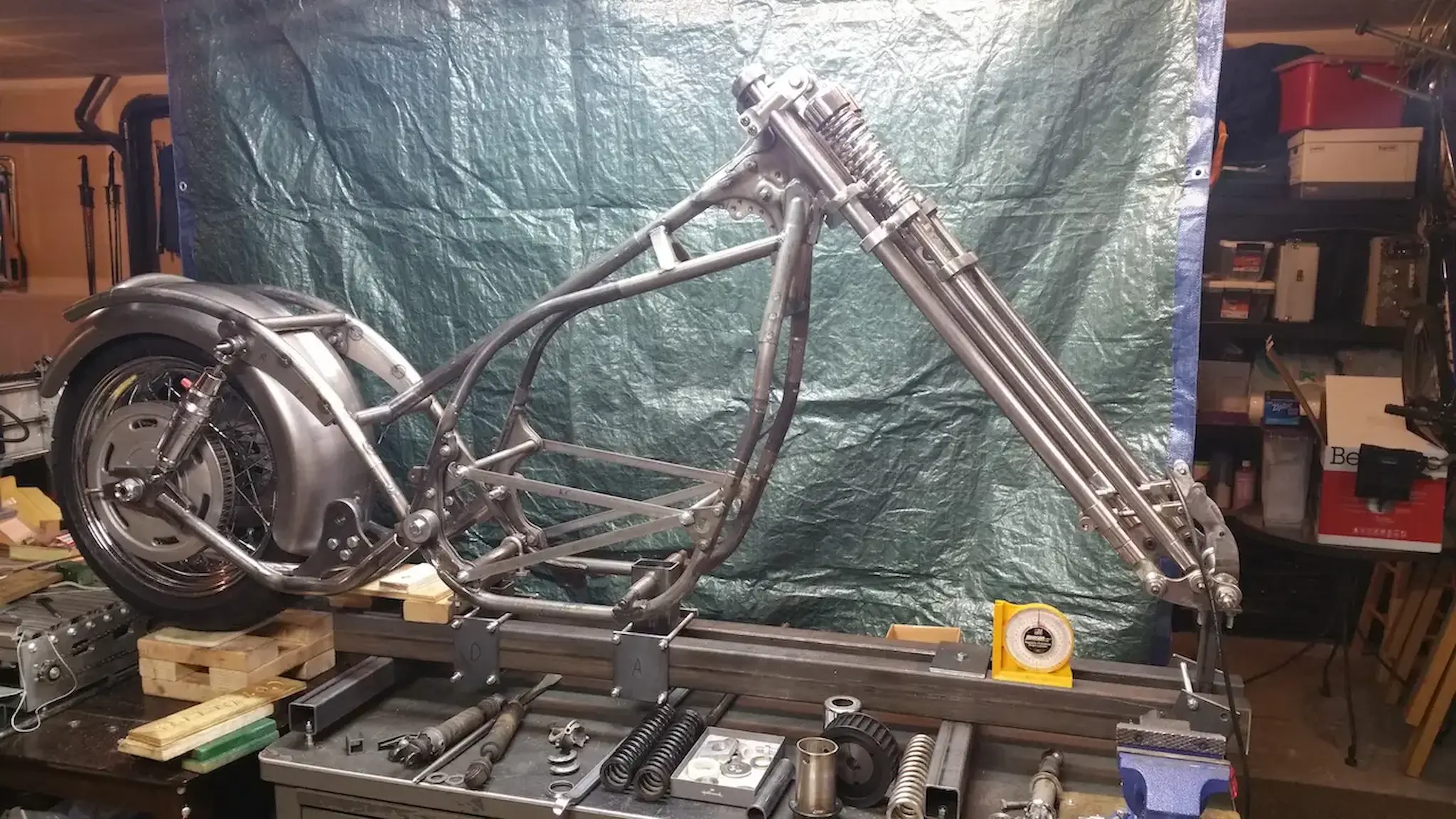
The frame was aligned and prepared for final welding. The front suspension was a completely original design using rear shocks adapted for use on the front forks. Air shocks were used on the rear.

  • Frame aligned and prepared
  • Temporary bracing installed
  • Custom front suspension design
  • Air shocks installed on rear
Duckie fabrication

🛞 Mock Up

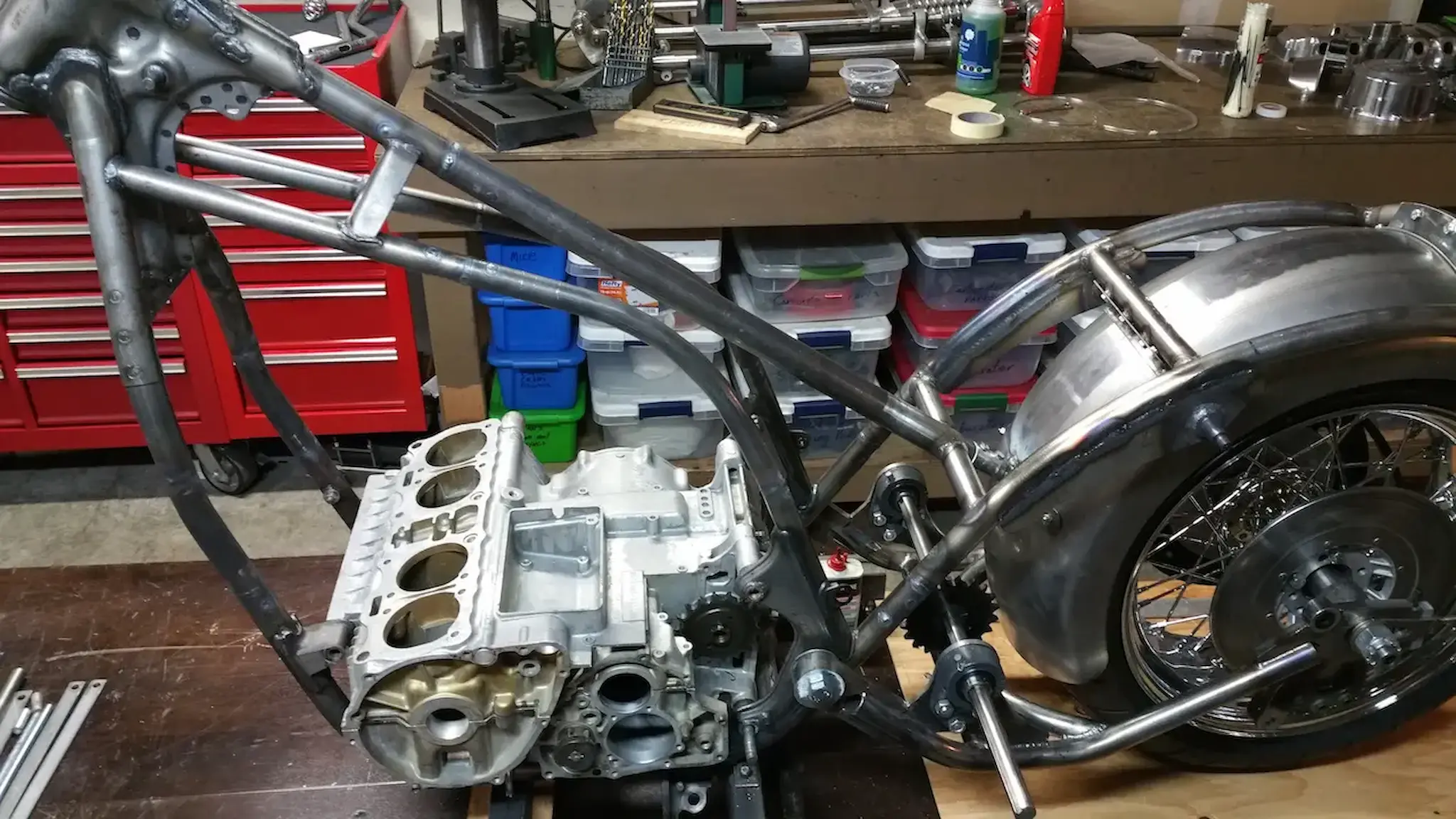
After professional welding, the engine was test fitted to confirm alignment and overall proportions.

  • Frame fully welded
  • Engine test fitted
  • Alignment verified
  • Final structure completed
Duckie mockup

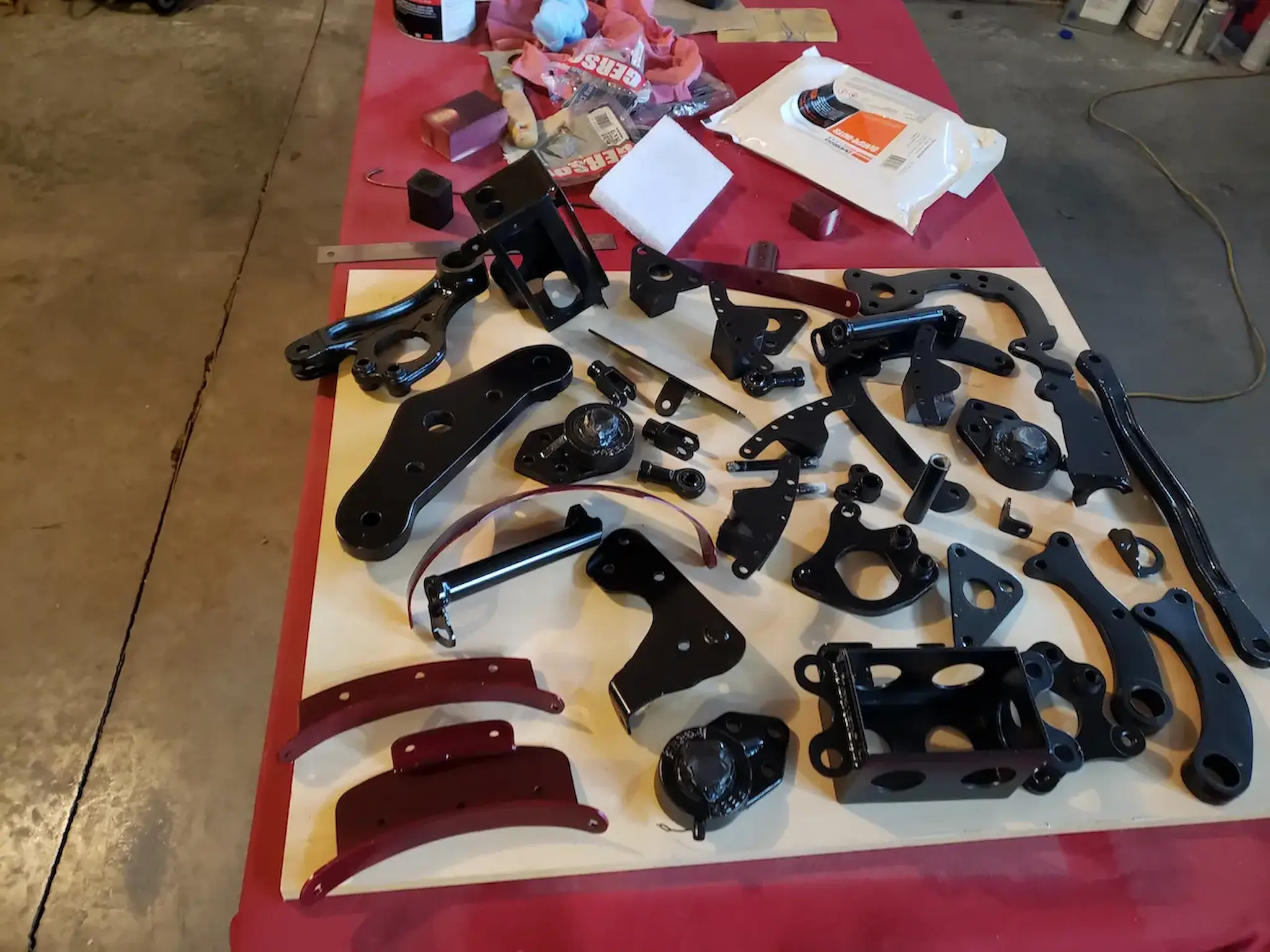
🪛 Small Parts

The smaller components were prepared and painted, ready for final assembly.

  • Components cleaned and prepped
  • Individual parts painted
  • Prepared for assembly
Duckie parts

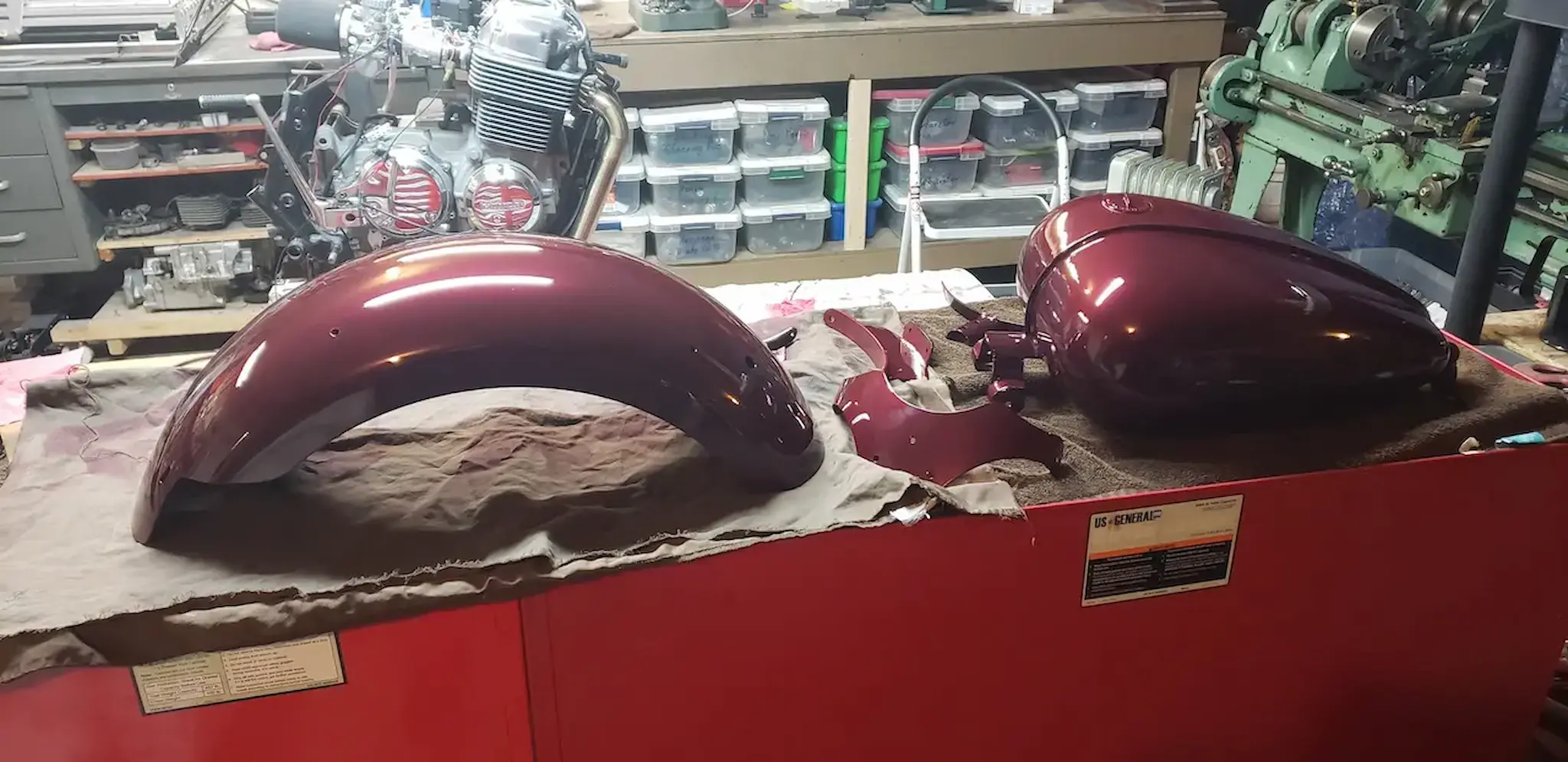
📋 Painting

The major components were painted, bringing the visual identity of Duckie to life.

  • Major components painted
  • Finish applied
  • Ready for final assembly
Duckie painting

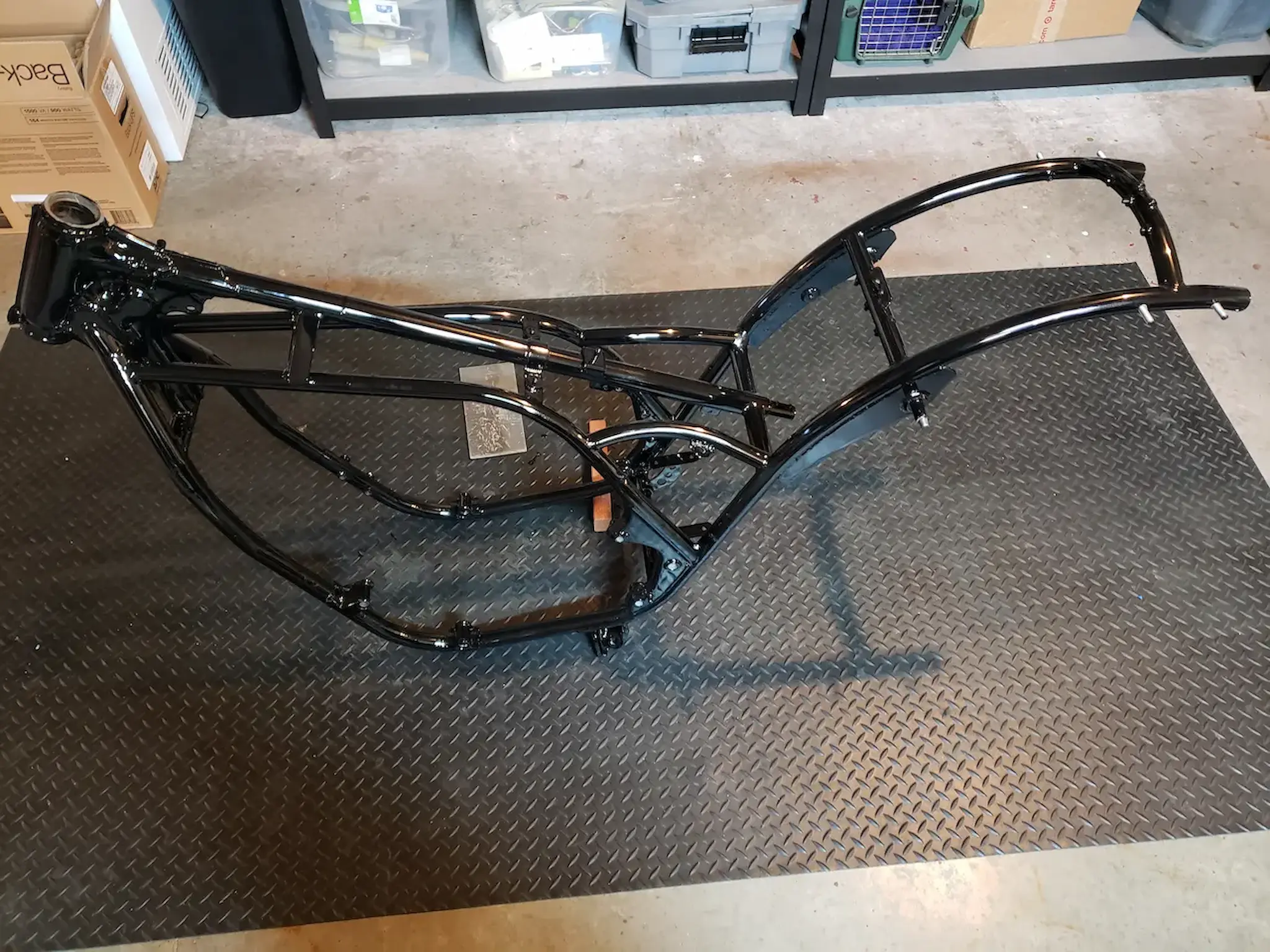
🟡 Powder Coating

The frame was professionally powder coated by a local shop, resulting in a durable, high-quality finish.

  • Professional powder coating
  • Durable finish applied
  • Excellent final result
Duckie powder coat

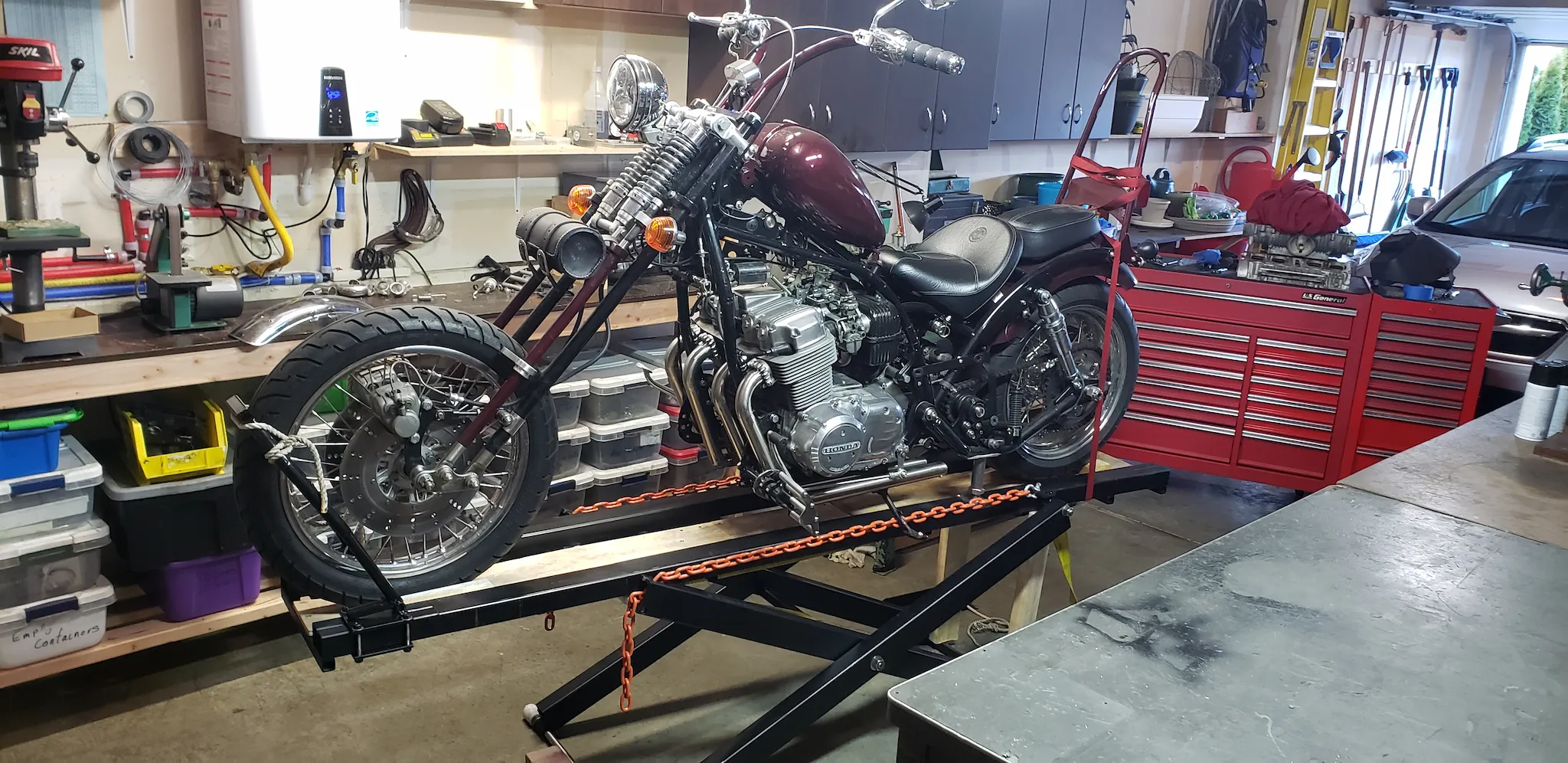
🏁 Duckie is Ready

The completed Duckie sitting on the hoist for the final time before returning to the ground. The hoist itself was custom built and operated using my engine hoist.

  • Final assembly completed
  • Custom build finished
  • Ready to ride
  • Custom hoist used for lifting
Duckie finished

Duckie was one of my most ambitious builds, involving extensive frame modification and fully custom fabrication. It was extremely rewarding to see the design come together and become a complete, rideable machine.

05

T-Bucket

✦ About this build

I had known several people who owned T-Buckets and always loved the look and unmistakable sound of them. Eventually, I decided I would build one myself — starting completely from scratch. After finding a set of plans, I purchased box section steel and began fabricating the chassis. I sourced a fiberglass body shell and built the car using predominantly Holden running gear. The project began in Australia and continued after I returned to New Zealand, where I kept much of the Australian content in the build. What followed was a traditional hot rod built with my own hands, combining classic style with practical engineering.

⟡ The T-Bucket

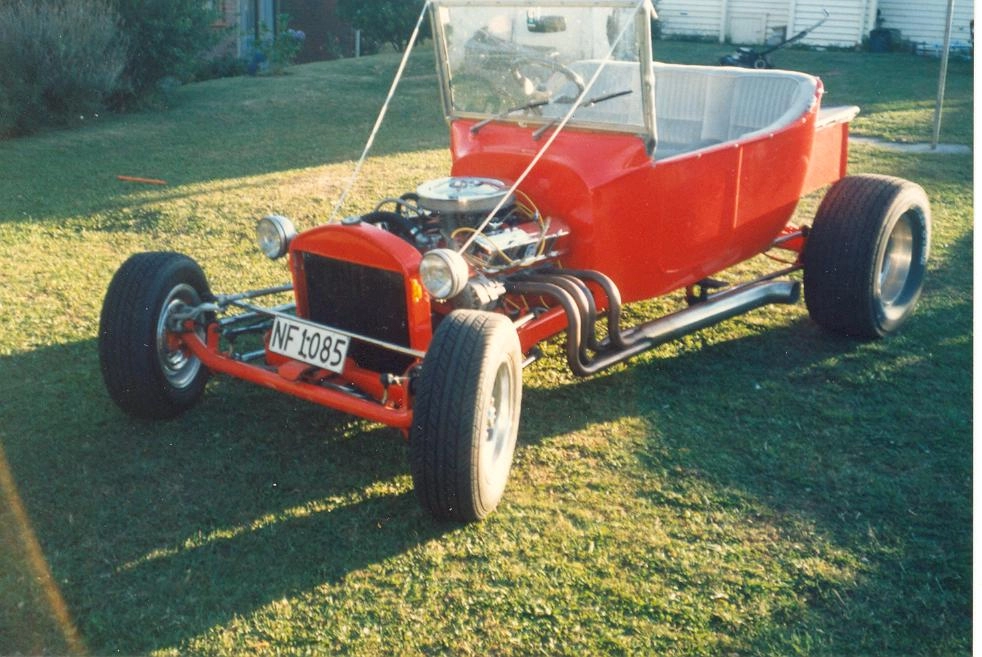
The completed T-Bucket — a traditional bucket with strong Holden underpinnings and unmistakable hot rod character.

  • Holden 253 V8 engine
  • Trimatic transmission
  • HT rear end with 3.55 gears
  • Built largely from scratch
Finished T-Bucket

◎ The Chassis

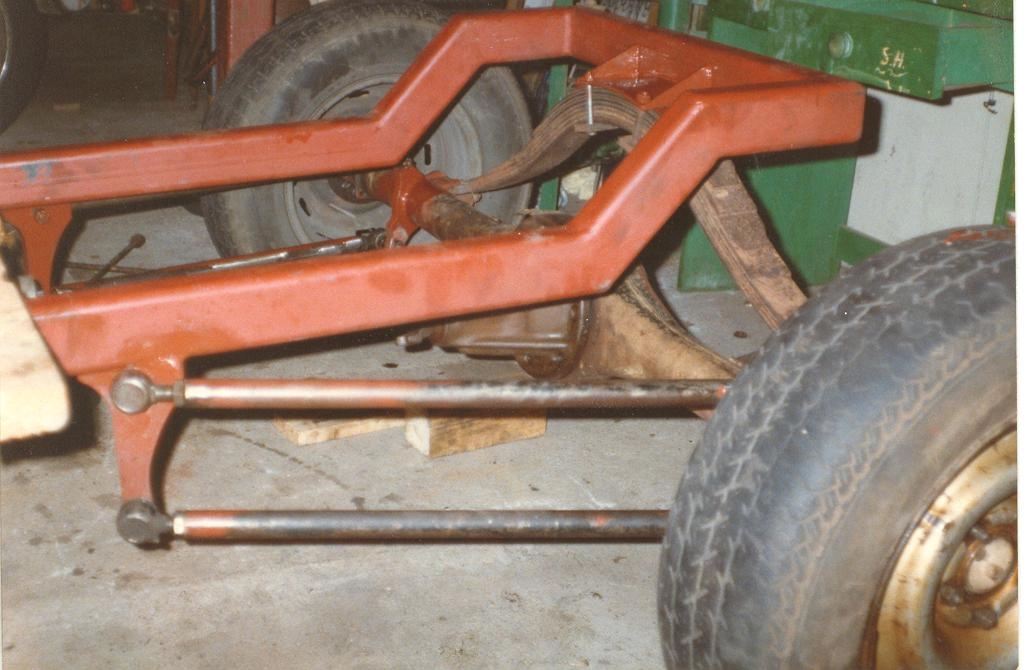
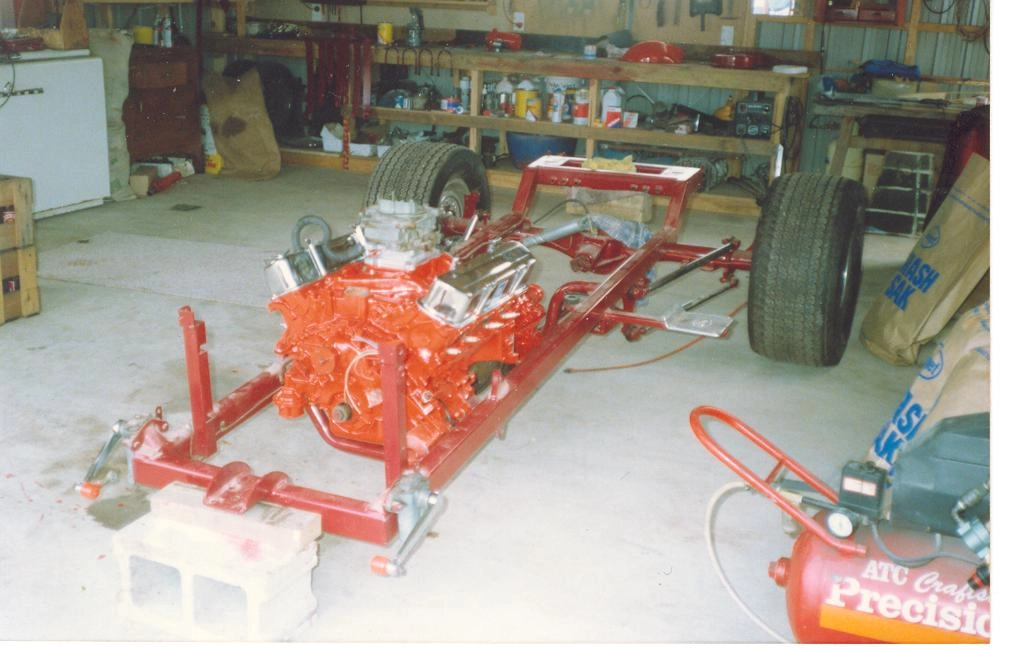
The chassis was fabricated from box section steel following traditional T-Bucket design principles. I used a crossover front spring that I picked up at a sale, along with a Holden differential to complete the rear setup.

  • Custom fabricated box section chassis
  • Traditional crossover front spring
  • Holden differential
  • Classic hot rod proportions
T-Bucket chassis

🔧 Fiberglass Body

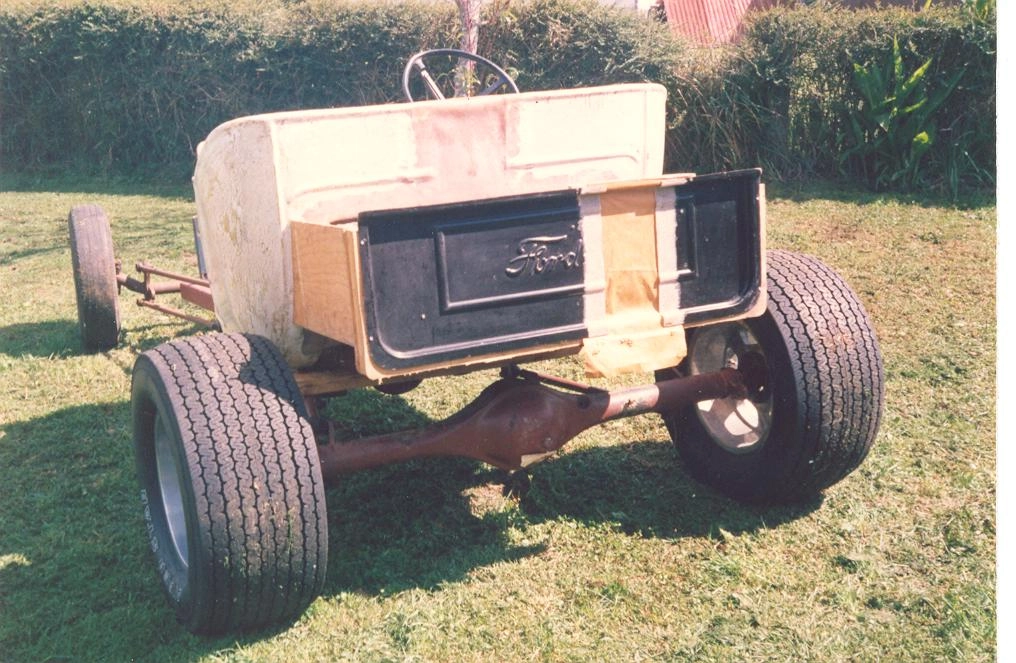
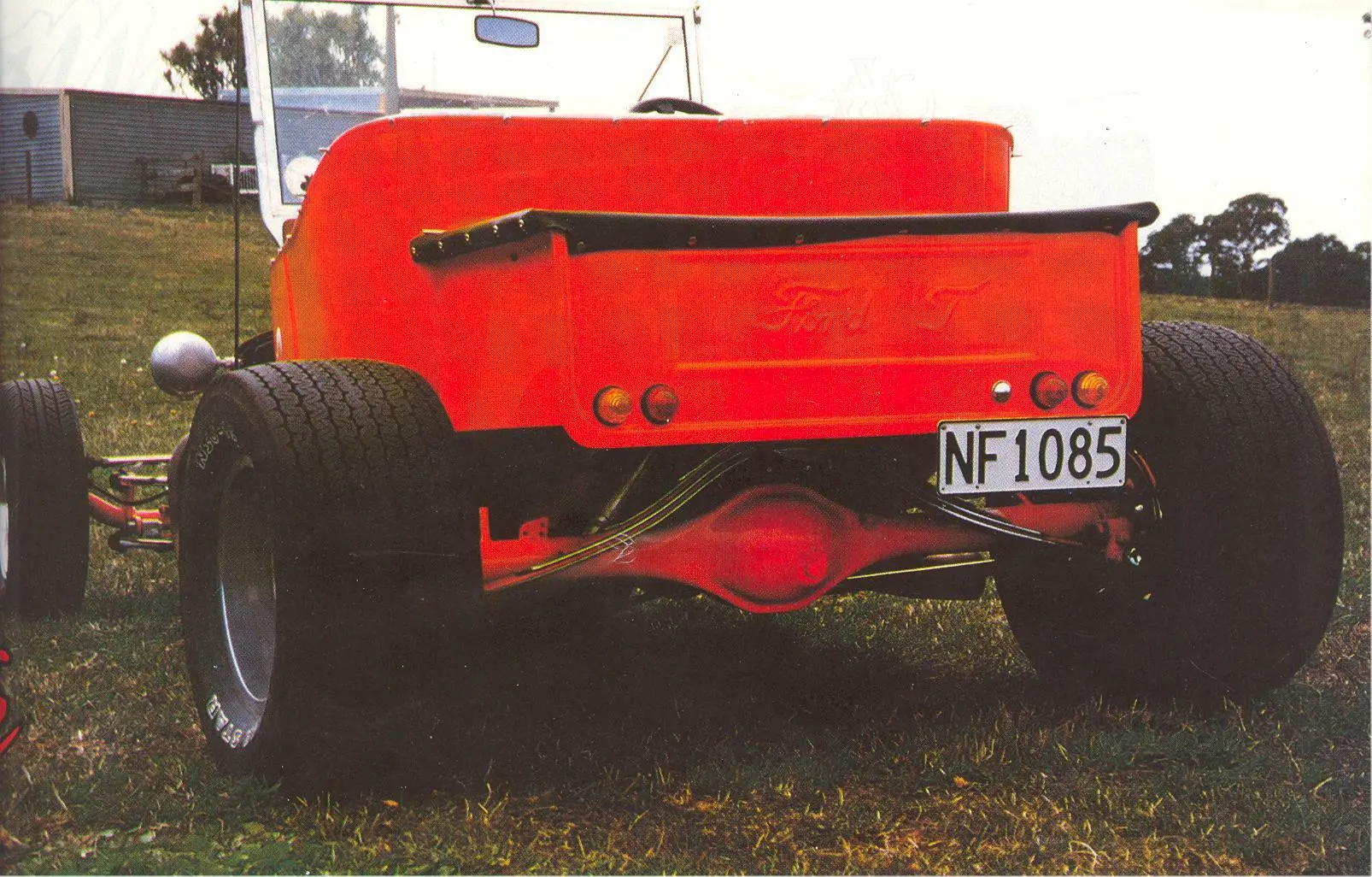
The fiberglass body was modified to better suit the build. I sectioned the body and added an additional eight inches to provide room for three people. This also allowed the rear panel to properly display “Ford T” rather than just “Ford,” giving the proportions a more centered and balanced look.

  • Fiberglass body shell
  • Extended 8 inches for added space
  • Improved rear proportions
  • Custom body modification
T-Bucket fiberglass body

🎨 Rolling Chassis

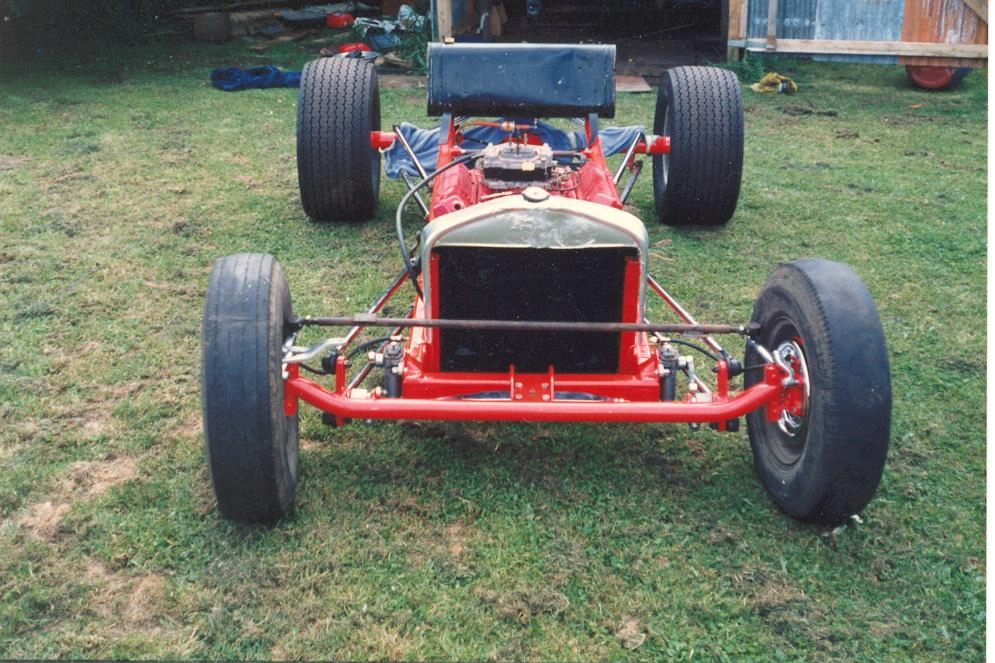
The front suspension was built around a purchased drop tube axle paired with a Model A cross spring. Front stubs and brakes were Holden components, and shocks were sourced from a Mk3 Zephyr.

  • Dropped tube front axle
  • Model A cross spring
  • Holden front stubs and brakes
  • Mk3 Zephyr shocks
T-Bucket rolling chassis

⚡ Assembly

With paint complete, final assembly began. Engine, transmission, steering, and interior components were brought together to transform the rolling chassis into a finished hot rod.

  • Final paint completed
  • Drivetrain installation
  • Interior fitted in cream vinyl
  • Steering system finalized
T-Bucket assembly

🛞 Repairs

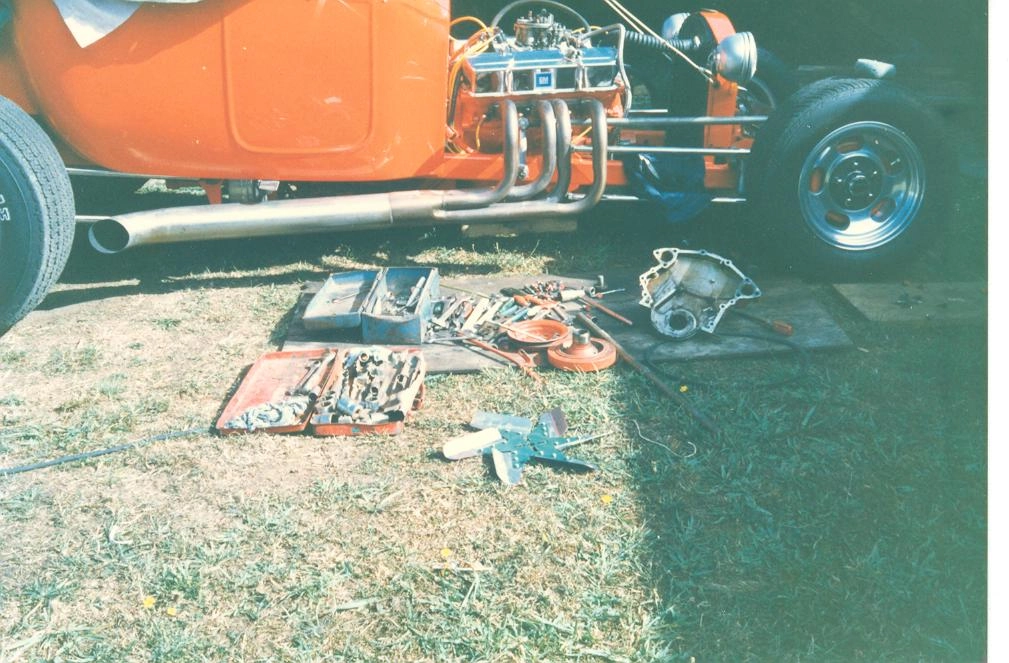
At one point I had to repair the timing chain on the 253 Holden V8 after realizing I had not installed it correctly. Fortunately, one of the advantages of a T-Bucket is how accessible everything is — making mechanical work straightforward.

  • 253 Holden V8
  • Timing chain repair
  • Easy engine access
  • Practical hot rod layout
T-Bucket engine repair

🪛 Paint

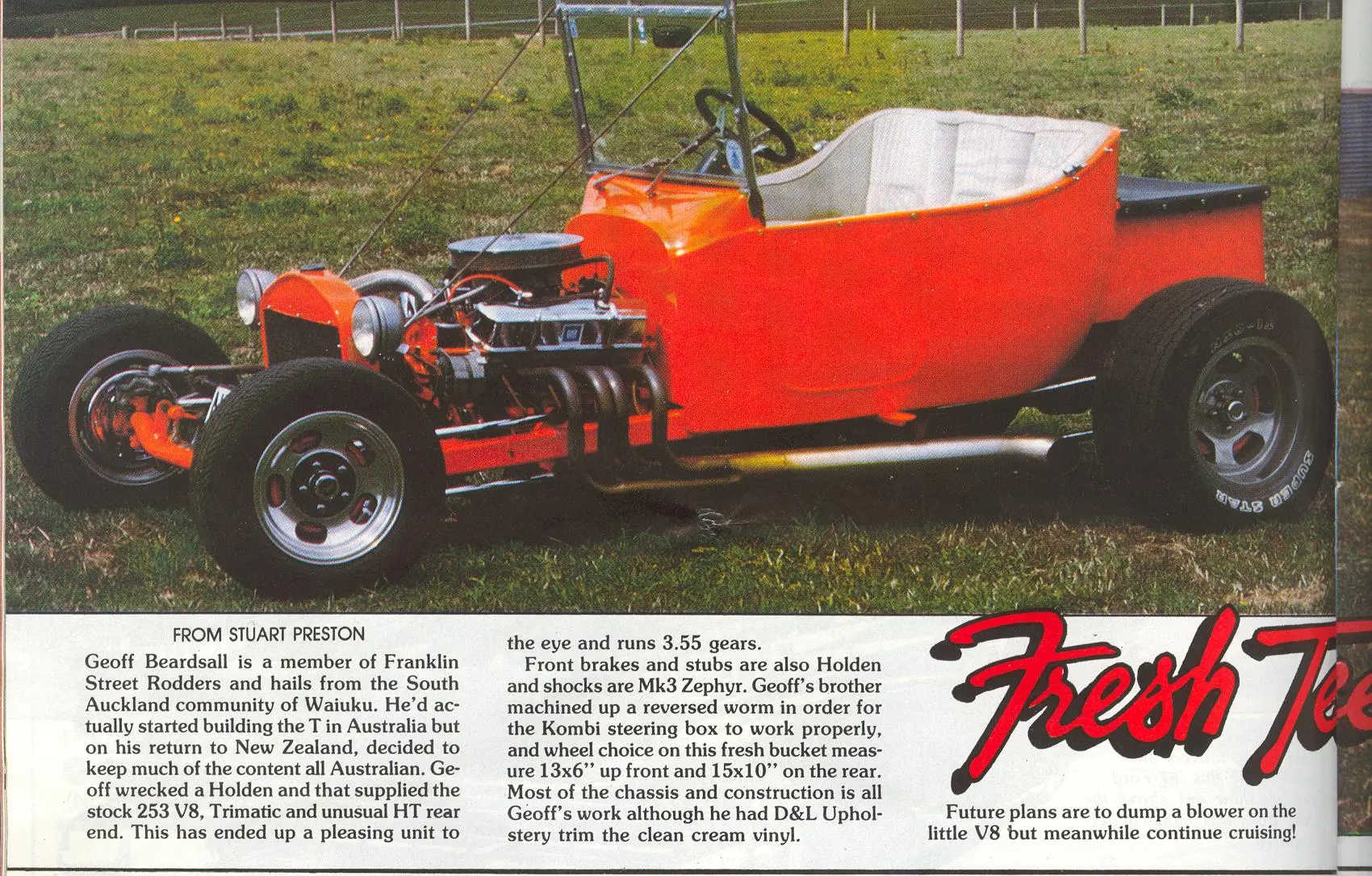
The finished car later appeared at a rodding event and was featured in a New Zealand hot rod magazine. The article included a detailed write-up of the build, highlighting the Australian Holden drivetrain, custom fabrication work, and overall presentation of the bucket.

  • Featured in NZ hot rod magazine
  • Australian Holden drivetrain
  • Custom fabricated chassis
  • Cream vinyl upholstery by D&L Upholstery
T-Bucket magazine feature

🏁 The End

After starting from raw steel and a fiberglass shell, the project became a fully functional traditional T-Bucket. What began as admiration for the style turned into a complete ground-up build and a car I am proud to have constructed myself.

  • Ground-up custom build
  • Traditional T-Bucket styling
  • Holden-powered performance
  • Built by hand
Completed T-Bucket

Building this T-Bucket from scratch was one of the most rewarding fabrication projects I have undertaken. It combines classic hot rod tradition with practical engineering and personal craftsmanship.

06

Go-Cart

✦ About this build

This go-cart project started on a whim when I was given an abandoned Honda 450 motorcycle that had been sitting unused in a lean-to at my workplace. Rather than restoring the bike, I decided to repurpose its powerful twin-cylinder engine into something completely different. The goal was to design and fabricate a lightweight custom go-cart chassis capable of safely handling the performance of a full motorcycle engine. The result was a unique and surprisingly quick machine that was as fun to build as it was to drive.

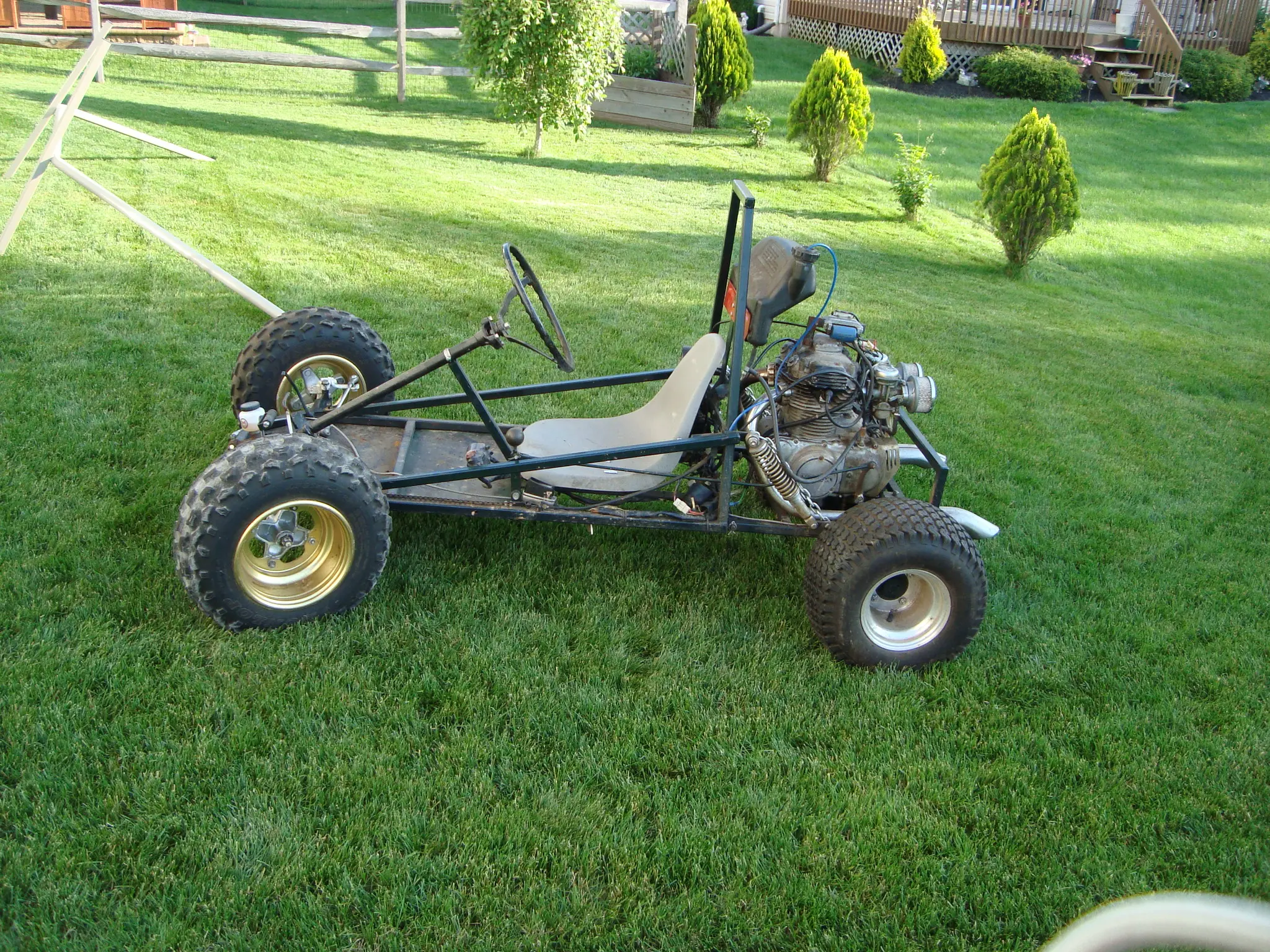
⟡ The Go-Cart

The completed go-cart after several months of use. Despite its simple appearance, it proved to be a powerful and reliable machine.

  • Fully custom fabricated chassis
  • Powered by Honda 450 motorcycle engine
  • Lightweight and responsive
  • Tested and driven regularly
Go-Cart completed

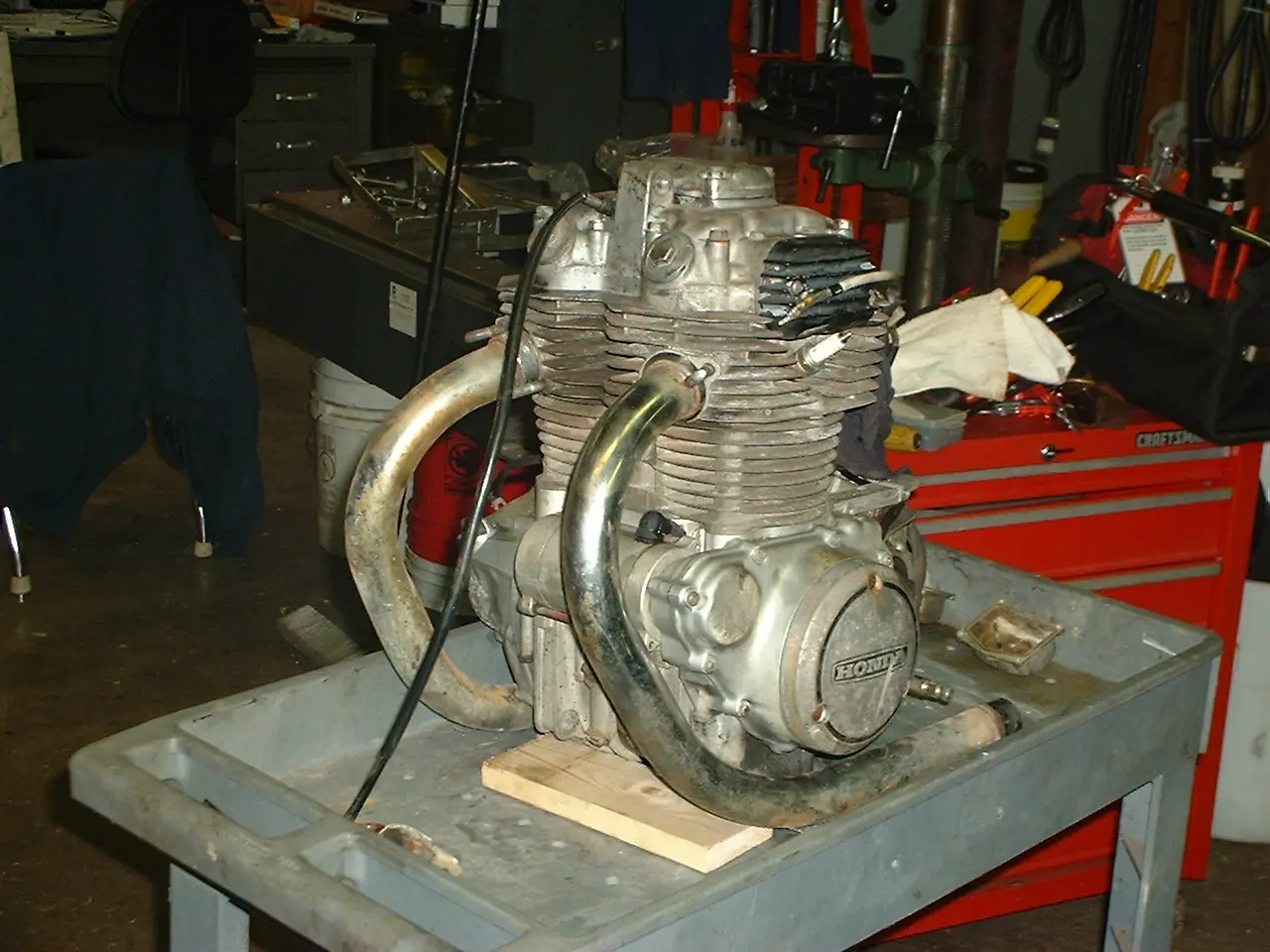
◎ The Engine

The heart of the build was a 450cc twin-cylinder four-stroke Honda motorcycle engine. It provided more than enough power for the lightweight frame.

  • 450cc twin cylinder engine
  • Four-stroke reliability
  • Excellent power-to-weight ratio
  • Repurposed from donor motorcycle
Go-Cart engine

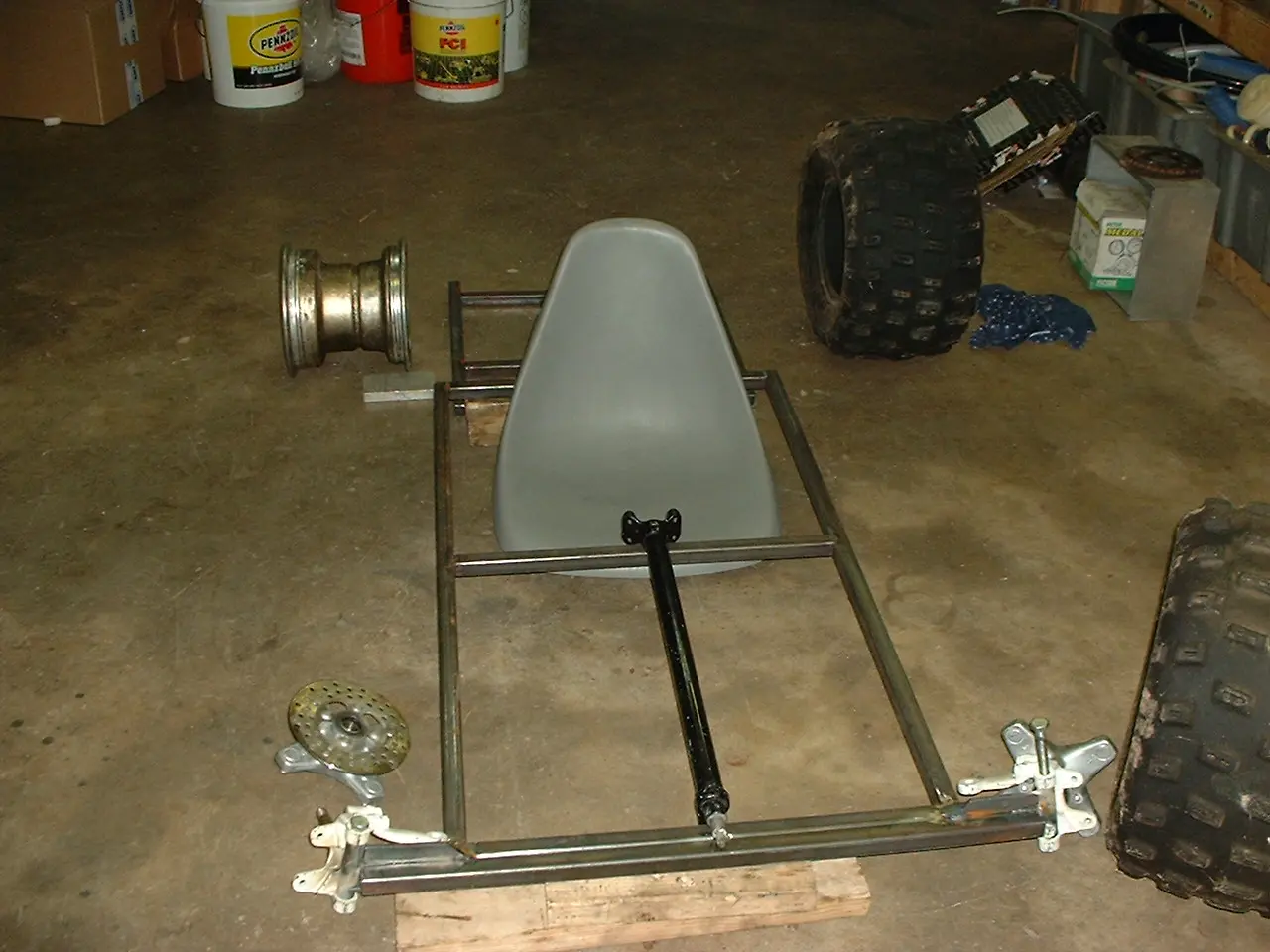
🔧 The Frame

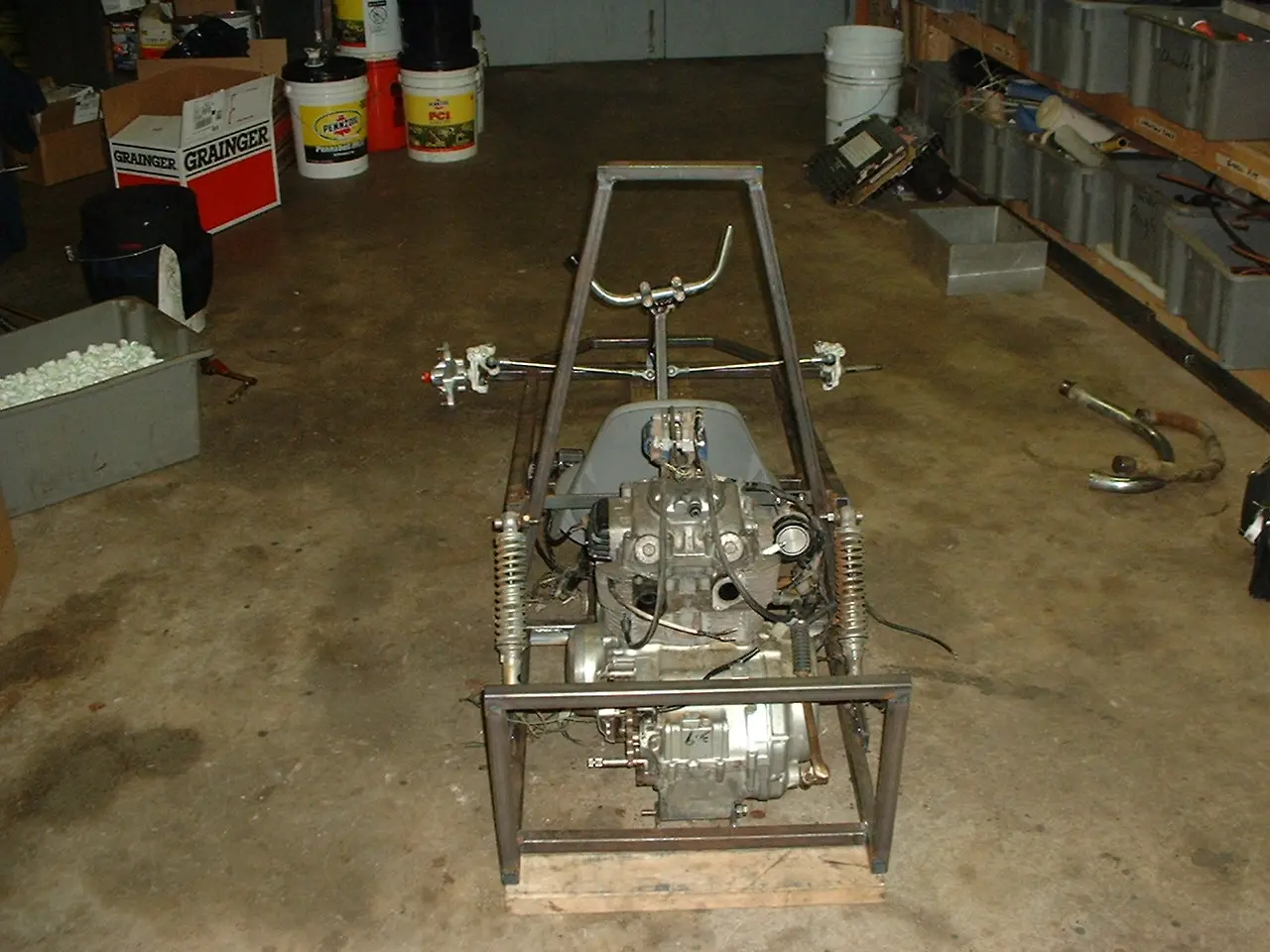
The frame was fabricated from 1" x 1" box section steel tubing to create a strong and lightweight structure. A simple plastic chair was adapted for seating.

  • 1" x 1" steel box section tubing
  • Fully custom fabricated design
  • Lightweight construction
  • Simple functional seating
Go-Cart frame

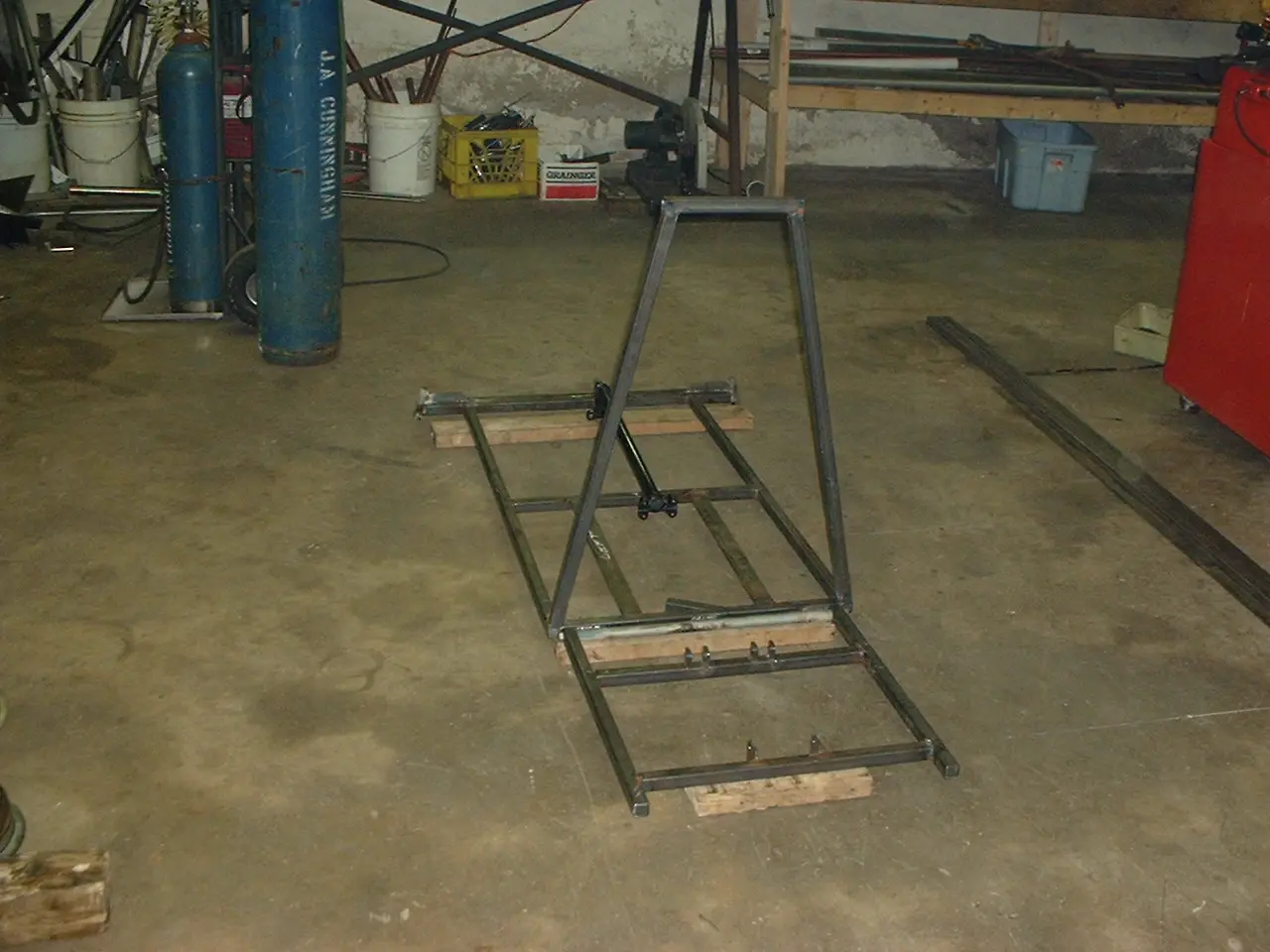
🎨 Frame Design

The chassis was built in two sections with a pivot point behind the roll bar, allowing for suspension movement and improved handling.

  • Two-section pivoting frame
  • Integrated roll bar
  • Designed for strength and flexibility
  • Improved ride characteristics
Go-Cart frame design

⚡ Mock Up

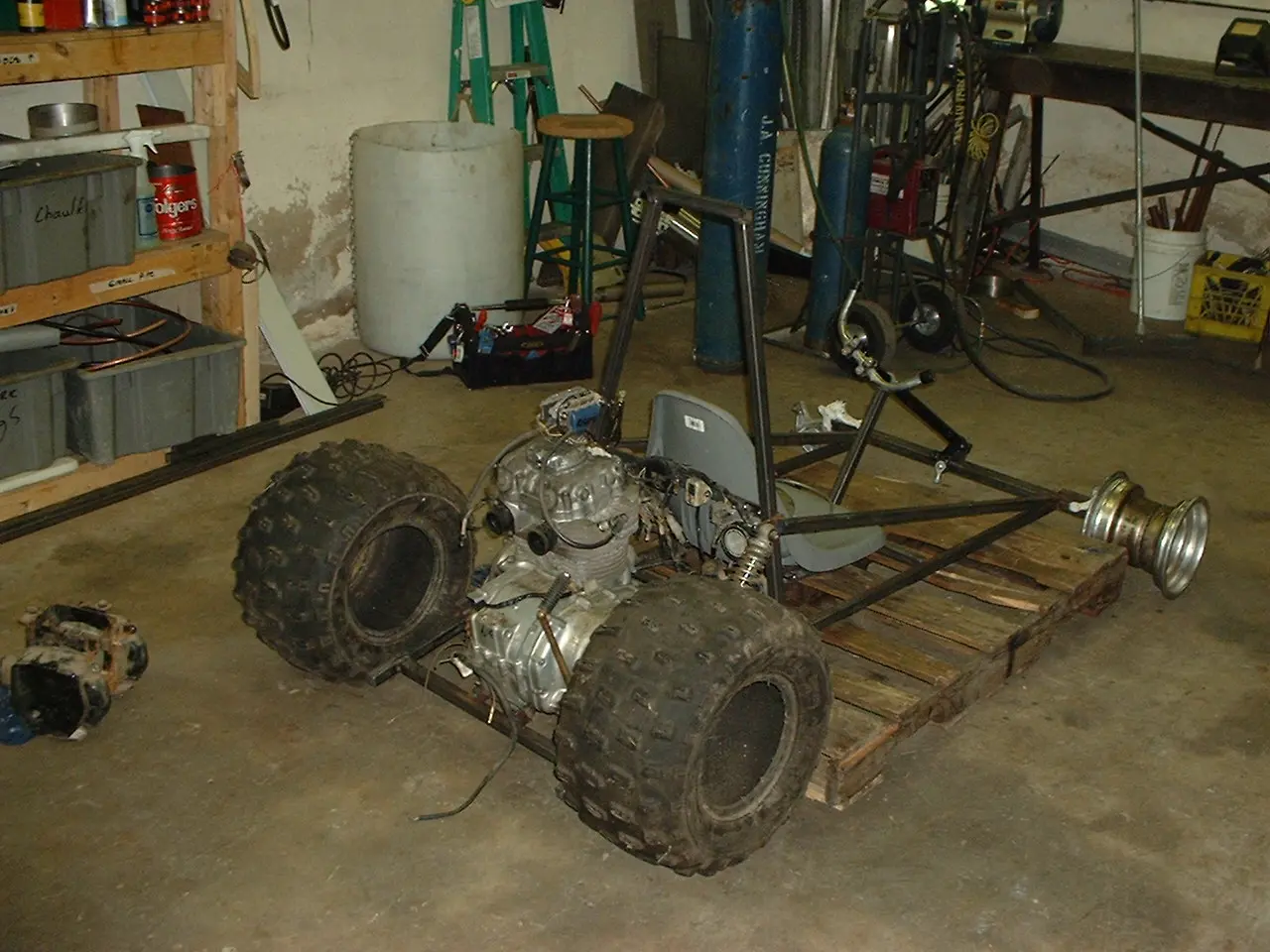
Major components were positioned on the frame to confirm fitment and layout before final welding.

  • Engine positioned
  • Component alignment checked
  • Clearances verified
  • Prepared for final welding
Go-Cart mockup

🛞 Weld Up

With suspension mounted and alignment confirmed, the chassis was fully welded to complete the structural assembly.

  • Suspension installed
  • Frame fully welded
  • Structure completed
  • Ready for finishing
Go-Cart weld up

🪛 Paint

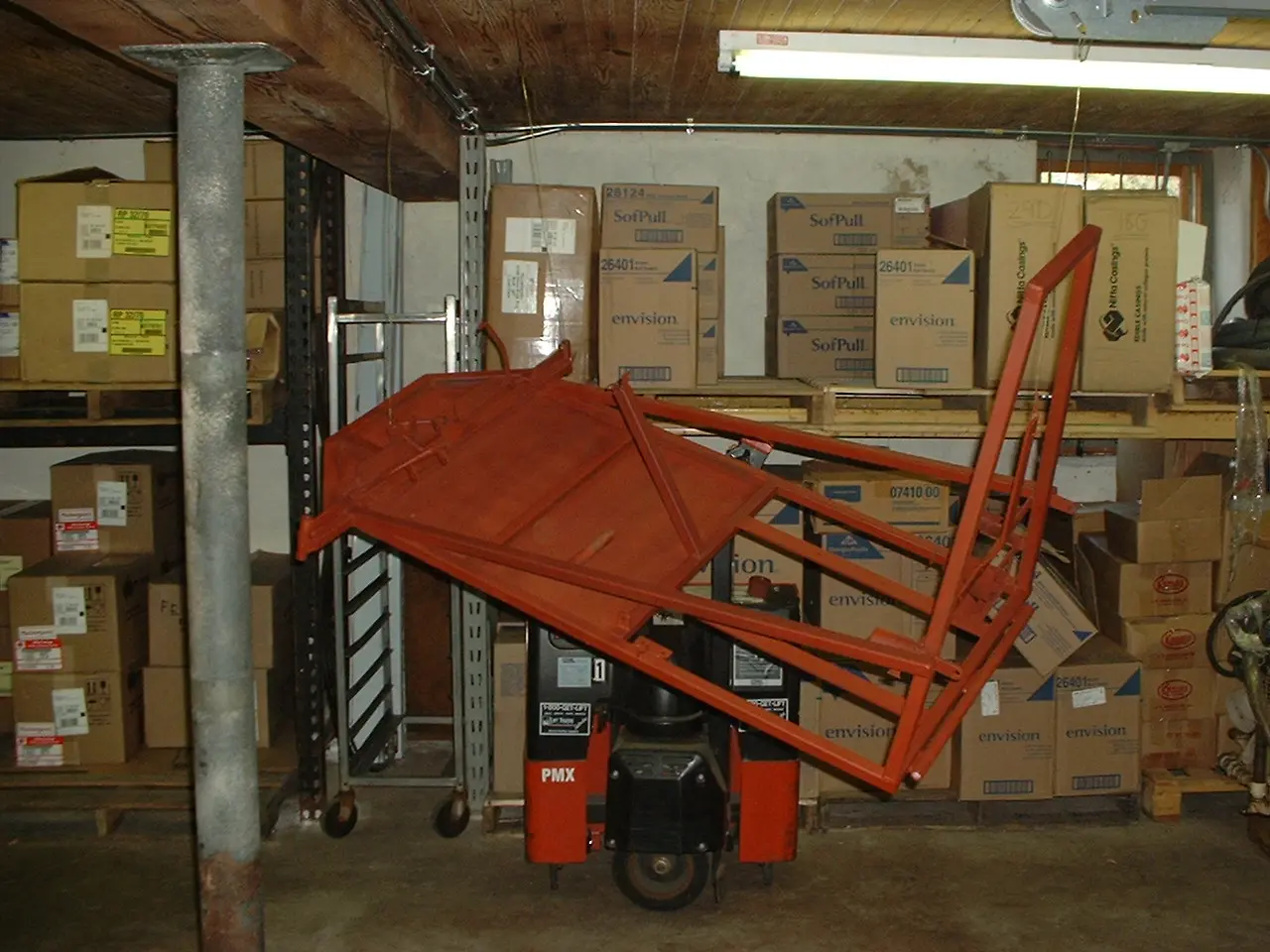
The frame was painted to protect the steel and complete the visual appearance of the build.

  • Frame cleaned and prepared
  • Protective paint applied
  • Final finish completed
Go-Cart paint

🏁 Finished Go-Cart

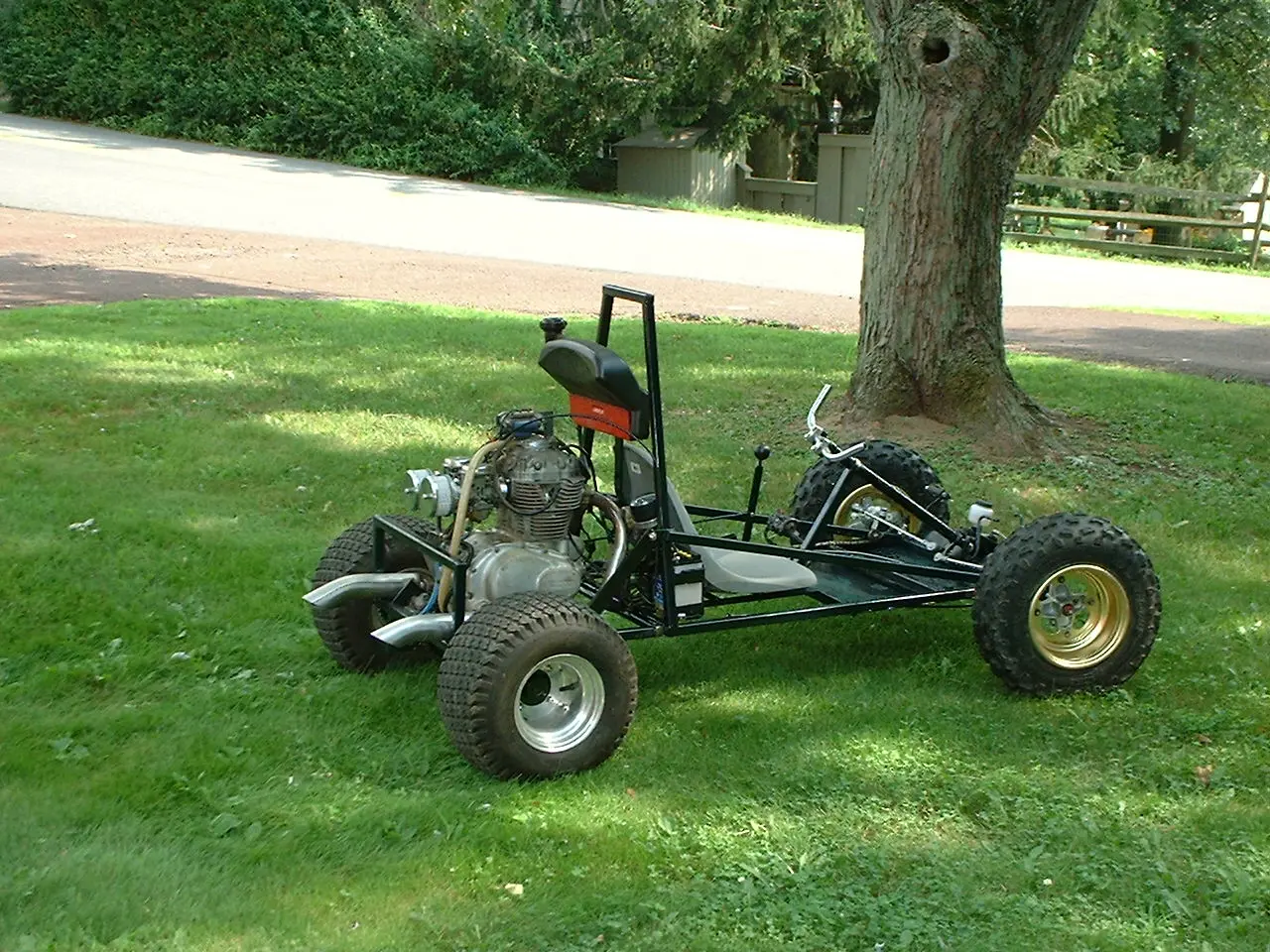
The completed go-cart sitting quietly under a tree. Its modest appearance hides the performance of the motorcycle engine powering it.

  • Build completed successfully
  • Fully functional and driveable
  • Unique custom fabrication project
  • Extremely fun to operate
Go-Cart finished

This was one of my more unusual builds, taking a discarded motorcycle and turning it into something completely different. It was a fun and rewarding project that demonstrated how much potential can exist in forgotten machines.

07

Contact

📬 Get in Touch

Thanks for checking out this archive of my past builds! I'm happy to hear from fellow enthusiasts who enjoy looking back at custom projects like these.

🌐

Website

You're already here! Bookmark this site for easy access to build updates and project notes.

hobbyistWorld.com

Email

Have questions about the builds, techniques, or just want to chat? Feel free to reach out.

hobbyistworld@outlook.com

⚠️ Please Note

These are all completed personal hobby projects from years past — I'm no longer actively building, but I welcome questions and conversation about the builds, techniques, or lessons learned.

  • I was (and remain) a hobbyist, not a professional mechanic or engineer.
  • No shop or restoration service — just personal one-off projects.
  • I'm happy to share what I remember from the process.

Contact

Email: hobbyistworld@outlook.com

Website: Hobbyist World